
When it comes to cooking, knives are among the most essential cooking tools. But have you imagined cooking without a good cutting board? Kitchen boards are certainly a necessity in every kitchen, not only for keeping countertops mess-free but also for protecting your knives from damage. This might sound strange, but the truth is that making a poor choice when it comes to buying a cutting board can harm the knives’ metal, making it duller. Unfortunately, poor-quality boards can also lead to chipping and the transmission of foodborne diseases. That’s why it’s essential to invest in quality options made from safe materials. That way, you’ll make cooking more hygienic without compromising the condition of the knives.
Types
While in the past the choice was limited, nowadays, there’s a wide range of kitchen boards to choose from, varying in material, size, shape, colour and design. Depending on the type and material you choose, some boards can even be engraved, giving you the chance to add a personal touch. This option makes them a thoughtful gift for birthdays, housewarmings, or any occasion where you want to give something practical yet meaningful.
Solid Hardwood
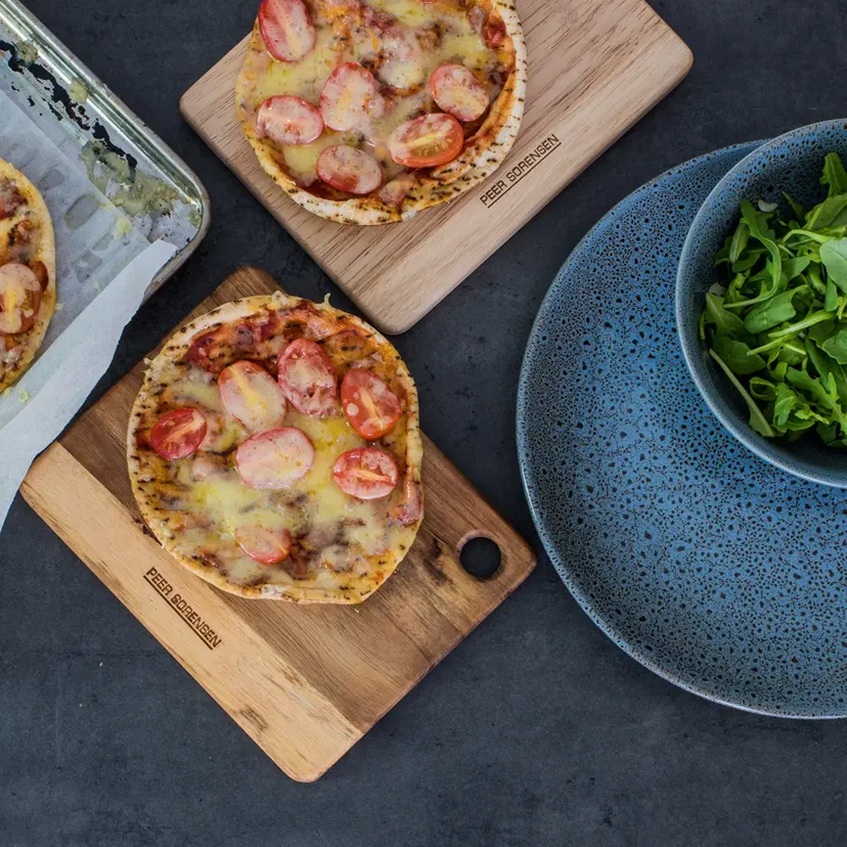
Solid hardwood chopping boards are the most common choice by both professional chefs and amateurs for several reasons. The first and most important thing you should know about such boards is that they can be made from a plethora of solid woods, such as Tasmanian oak, walnut, maple and cherry, because of their natural properties that prevent bacterial growth. Aside from reducing the chances of this, they’re also one of the most durable options and are gentle on your knives as well.
Maintaining such boards is super easy, and all it takes is washing them with hot, soapy water. For deep cleaning, you can simply use baking soda, salt and lemon. Once completely dried, it would be great to apply a food-safe oil to prevent them from drying and cracking.
Tip: Make sure you avoid boards made from softwoods, as they are more susceptible to damage, especially from water and scratches.
Bamboo
Bamboo is another popular choice used for slicing, chopping, and general kitchen use. Since bamboo is a renewable material that isn’t porous, it’s a common pick for kitchen use. So it’s no surprise that bamboo cutting boards are just as popular as hardwood ones.
It’s essential to know that bamboo boards are more prone to scratches and knife marks, so cleaning them thoroughly after each use is paramount. You should also be cautious of the fact that some of these boards can be made with adhesive for gluing the pieces together, so make sure to double-check the product description.
Stainless Steel
These certainly aren’t a common choice because they can be hard even on your sharpest Japanese knives; however, stainless steel options are safe and easy to clean. Sanitising and cleaning them is super easy, and they also allow for being tossed in the dishwasher for easier cleaning.
Plastic
Plastic is one of the most affordable options available on the market, ranging in different sizes, shapes, colours and patterns. Plastic boards for cutting food are certainly lighter in weight and easier to handle and move around. And, even though made from plastic, they are dishwasher-safe. The only thing you should be careful of is that these boards can become scraped, and unfortunately, this is the ideal ‘environment’ for bacterial growth.
What Is the Healthiest Chopping Board to Use?
Out of all the options available on the market, it seems that the solid wood, bamboo and stainless steel are among the most commonly used. However, if you decide to invest in plastic cutting boards, then you should pay attention to the type of plastic you choose. For improved health and safety, choose BPA-free plastic boards.
All of these things matter because toxins can easily enter your body through food. Once food comes into contact with bacteria and toxin-prone surfaces, your health will be put at risk. It has been said that the chemicals found in some of these boards can disrupt the endocrine system, which can lead to hormonal imbalance and many other health problems. Knowing this means that opting for a non-toxic cutting board can minimise your exposure to toxins.
Whether you’re looking to replace your old boards or give a gift to someone special, make sure to opt for one from a trusted and reliable source. By doing this, you can be sure that the board you’ve chosen is made from quality materials that won’t put your health at risk. The rest is up to you, your cleaning and maintenance practices.