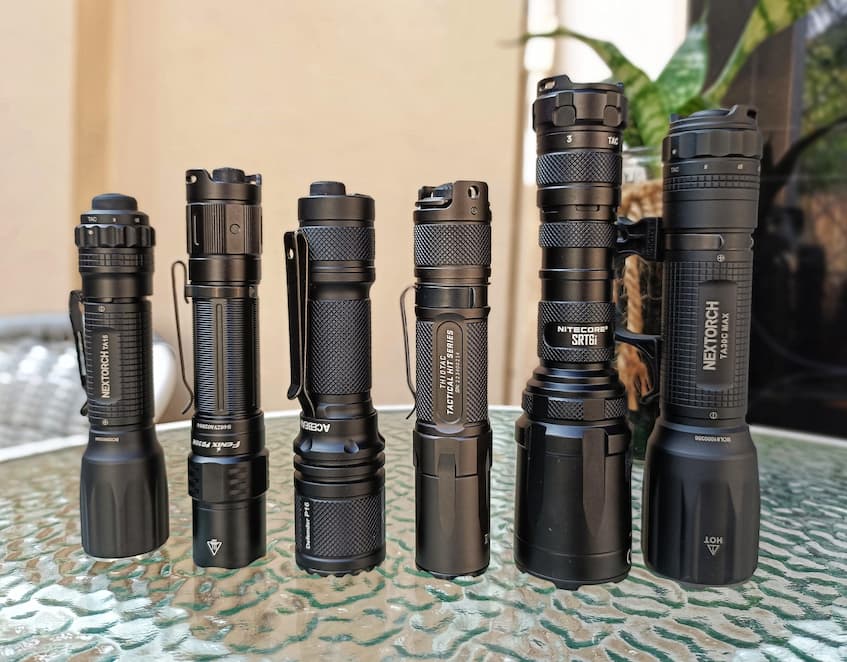

Have you ever found yourself navigating a dark trail, setting up camp after sunset, or dealing with an unexpected power outage outdoors? That’s where a tactical torch becomes more than just a light source. Unlike regular flashlights, tactical ones combine brightness, durability, and functionality, often featuring adjustable beams, strobe modes, and weather-resistant designs. If you’re on the hunt for the best option available, the following guide breaks down all the key factors to consider when making a choice.
Key Features to Consider
Whether you’re an outdoor enthusiast, hiker or camper, illuminate your adventure with a high-performance outdoor tactical flashlight range designed to withstand extreme conditions. However, with numerous options available on the market, it’s essential to understand which features truly matter.
Brightness and Beam Distance
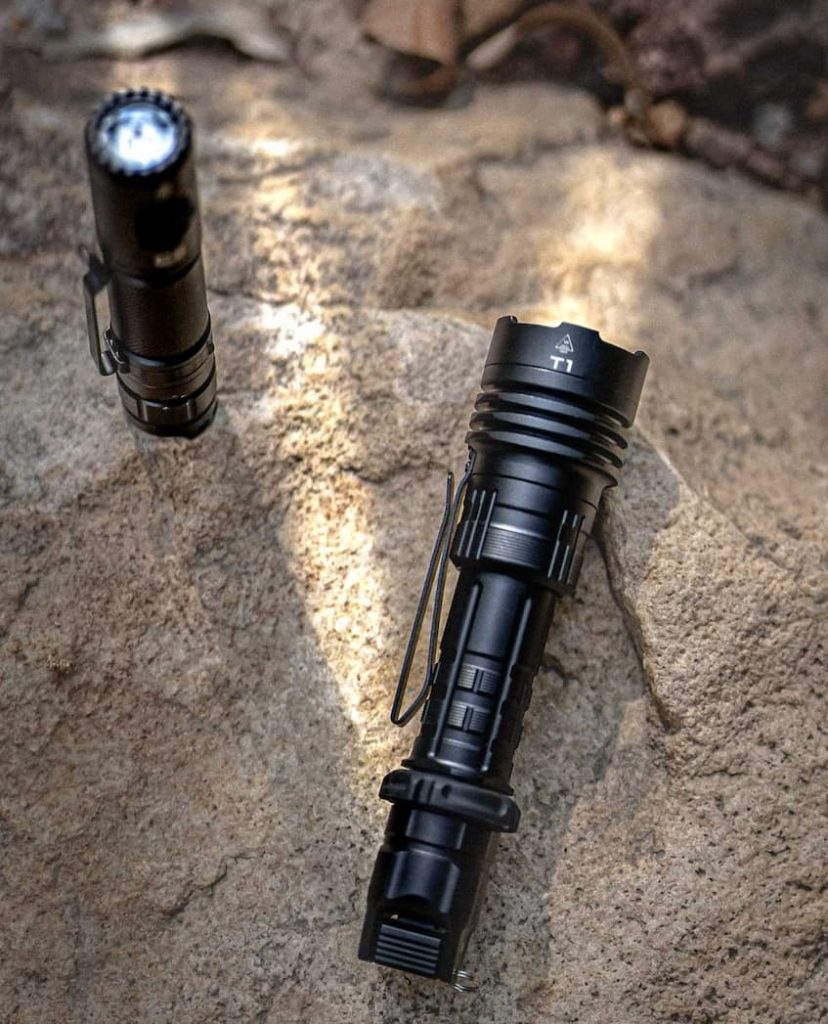
The brightness of tactical flashlights is measured in lumens, which indicates the total light output. While higher lumens generally mean a brighter beam, the distance the light reaches also depends on how focused the beam is.
Some flashlights with fewer lumens can project further if they have a well-designed reflector. Consider how you’ll use your military flashlight: a wide, flood-style beam is ideal for close-up tasks, while a concentrated, long-throw option is better for scouting trails or signalling.
Lighting Modes
Most tactical flashlights offer multiple modes, such as low, medium, high, and turbo. Lower modes conserve battery life for extended use, while higher modes provide maximum illumination when needed.
Additional modes like strobe or SOS can be invaluable for signalling, self-defence, or attracting attention in emergencies. An intuitive control system, often using a tail switch or side button, ensures you can switch modes quickly—even with gloves on.
Battery Type and Runtime
Flashlights may use rechargeable lithium-ion batteries or disposable options like CR123A cells. Rechargeable batteries are cost-effective over time and often feature USB charging. Pay attention to runtime specifications, particularly on higher settings, to ensure the flashlight won’t dim unexpectedly during critical moments.
Durability and Construction
A rugged build is essential for outdoor use. Tactical flashlights often feature aircraft-grade aluminium bodies that resist impact and harsh conditions. Look for water-resistant or waterproof designs with solid sealing, such as O-rings, to protect against rain, splashes, or accidental submersion.
Heat management is another key factor; high-output lights can generate significant heat, so thermally regulated models maintain performance without damaging the electronics.
Size, Weight, and Portability
The ideal flashlight balances power with portability. Compact models are easy to carry or clip to gear, while larger lights offer higher lumens and extended runtime. Textured grips or knurled surfaces improve handling, especially in wet conditions or while wearing gloves.
Special Features
Some tactical flashlights come with advanced features, such as USB power-bank capability, high colour-rendering indices for accurate visibility, or rechargeable ports for convenience. A lock-out function can prevent accidental activation, preserving battery life during transport.
Reliability and Warranty
Finally, a military flashlight from reputable manufacturers that provide warranty coverage and reliable customer support. Features like reverse-polarity protection add extra peace of mind, ensuring the flashlight remains functional even if a battery is inserted incorrectly.
Choosing Based on Your Outdoor Use Case
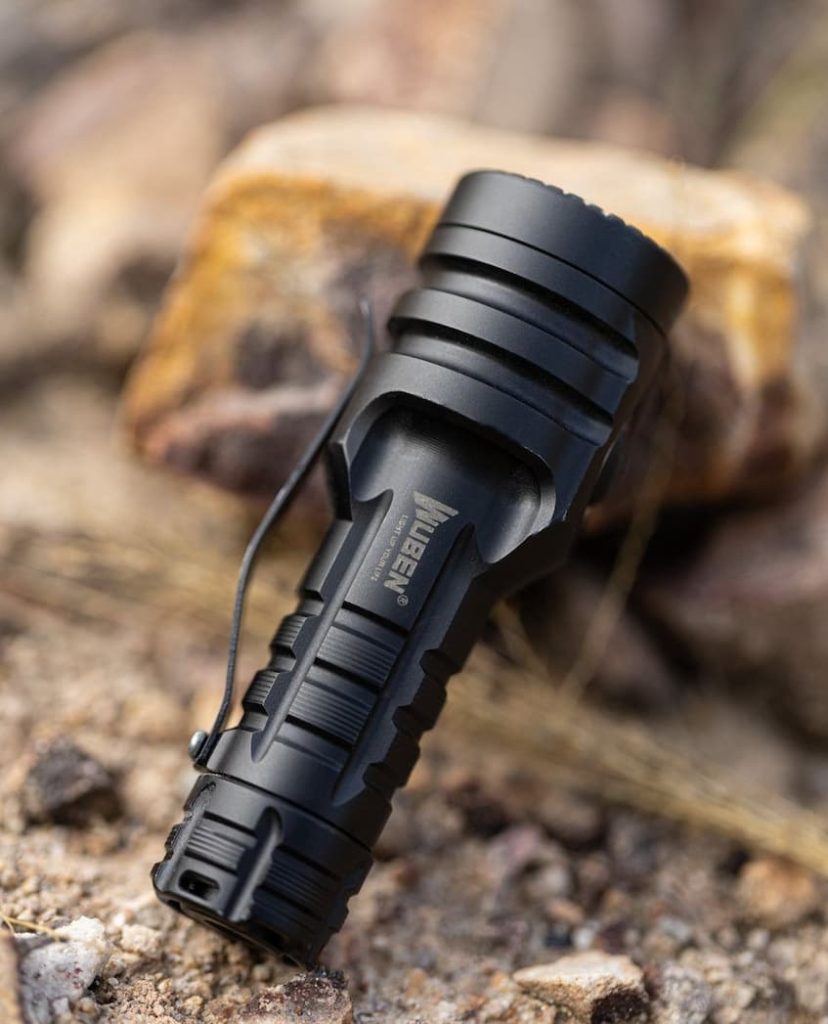
Getting the right outdoor tactical flashlight depends heavily on how you plan to use it. For casual hikers or campers who need reliable illumination around a campsite, a compact, lightweight model with moderate lumens and a wide flood beam is ideal.
These flashlights provide enough light to navigate trails or set up tents without draining the battery too quickly. Multiple lighting modes are a bonus, allowing you to adjust brightness based on the task at hand.
For more demanding outdoor activities, such as long-distance trekking, search and rescue, or night navigation, you’ll want a tactical LED flashlight with higher lumens and a focused beam that can reach significant distances.
Extended runtime and a durable, weather-resistant construction are crucial here, as these environments can be unpredictable and rugged. Features like strobe or SOS modes add safety value in emergencies, helping you signal for assistance if needed.
If your activities involve wet conditions, such as kayaking, fishing, or working near rivers, a fully waterproof tactical flashlight is essential. Compact size and ergonomic grip remain important, especially when wearing gloves or handling other gear.
Maintaining Tips
Proper maintenance can extend the life and performance of your tactical flashlight, ensuring it remains reliable in critical situations. Start by regularly cleaning the lens and body with a soft cloth to remove dirt, dust, and moisture, which can reduce light output and affect durability. Avoid harsh chemicals that may damage the lens or finish.
Check batteries frequently—replace or recharge them as needed and remove batteries if the flashlight won’t be used for an extended period to prevent leakage. Inspect O-rings and seals periodically to maintain water resistance and apply a small amount of silicone lubricant if necessary.
Test the flashlight’s lighting modes and switch functionality to ensure smooth operation. If the flashlight has a rechargeable port, keep it free from dust and moisture. Store it in a cool, dry place, away from extreme temperatures, to prevent damage to the electronics and battery.