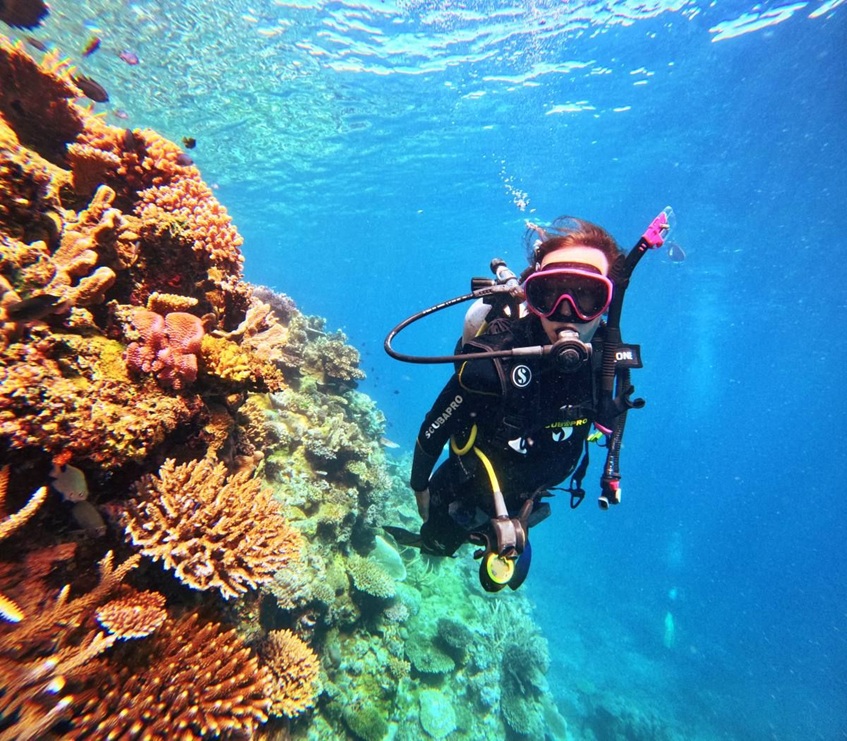

Scuba diving is a portal to another world. It’s also a cultural thing, offering a unique way to experience a new country’s wildlife. Speaking of travel, many divers are always on the lookout for unique dive spots around the world. Here are some of the most popular ones in 2026.
The Great Sea Reef (Fiji)
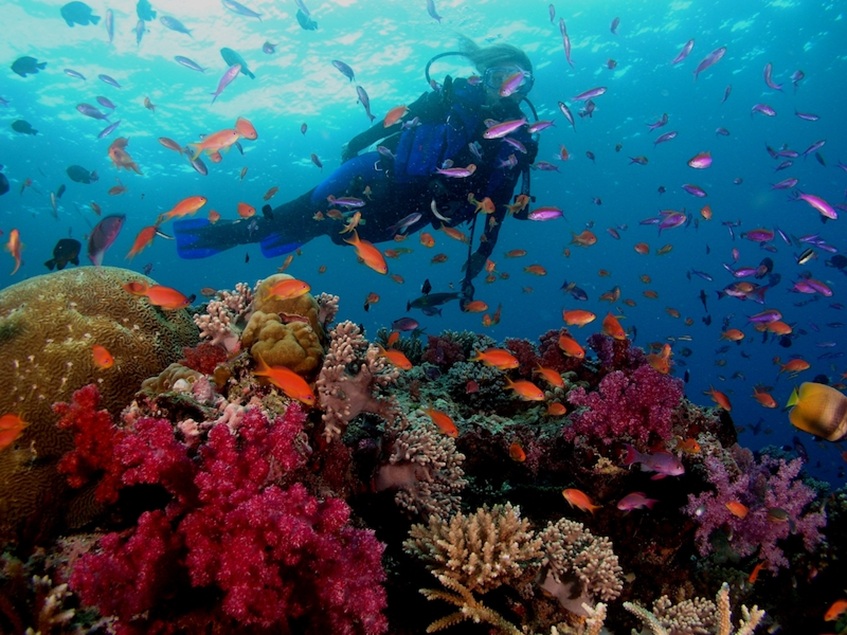
Stretching along the northern coast of Fiji’s second-largest island, Vanua Levu, the Great Sea Reef is one of the world’s largest barrier reef systems. In fact, it’s the third-largest barrier reef in the world, after the Great Barrier Reef in Australia and the Belize Barrier Reef. If you’re eager to dive Fiji, it’s a must-visit destination.
Known for its amazing and colourful soft corals, reef sharks, manta rays, sea turtles, and countless species of tropical fish, this vibrant underwater ecosystem creates memorable encounters for divers of all levels. Plus, the visibility is often excellent, so it’s easy to appreciate the reef’s vivid colours and diverse marine life.
In 2026, the Great Sea Reef attracts divers with its warm tropical waters, rich biodiversity and relatively uncrowded dive sites. Unlike some of the world’s busier diving destinations, the reef offers a more relaxed and intimate experience. Because of its remote location in the north (far from the heavily trafficked tourist hubs of the Mamanuca and Yasawa islands), you’ll rarely see other tour boats or divers.
Next, the chance to dive Fiji goes beyond the underwater experience. It’s also an opportunity to get to know the country’s welcoming culture, stunning island scenery, and laid-back atmosphere.
Most visitors reach the Great Sea Reef by flying into Fiji through Nadi International Airport before taking a domestic flight or ferry connection to Vanua Levu. From there, local dive operators provide access to some of the reef’s most spectacular sites.
While Fiji can be visited year-round thanks to its warm tropical climate and comfortable water temperatures, many divers consider the dry season from May to October the best time to visit. During these months, the weather is usually more stable, and the underwater visibility is often at its best.
The Red Sea (Egypt)
Located between northeastern Africa and the Arabian Peninsula, the Red Sea is another famous diving destination, with Egypt serving as the main gateway for visiting divers. Renowned for its crystal-clear waters, dramatic reef walls, and abundant marine life, the Red Sea is among the top dive destinations in 2026.
What attracts divers to this destination is the accessibility, visibility, and variety. While Fiji is celebrated for its vibrant soft corals and laid-back island atmosphere, Egypt’s Red Sea is known for its striking underwater landscapes like steep drop-offs, coral gardens, caves, and world-famous wreck dives.
The marine life is also impressive. Divers may encounter reef sharks, dolphins, sea turtles, moray eels, rays, and large schools of colourful fish throughout the region. The excellent visibility, often exceeding 30 metres, allows visitors to fully appreciate the reefs and marine ecosystems.
Getting there is relatively straightforward. Most international travellers fly into the Egyptian resort cities of Hurghada or Sharm El Sheikh, both of which offer easy access to numerous dive sites and liveaboard departures. The Red Sea is also a year-round diving destination. However, the spring (March to May) and autumn (September to November) months are often seen as the most comfortable times to visit.
During these periods, air temperatures are pleasant, sea conditions are usually calm, and visibility is excellent. Many divers choose spring and autumn to take advantage of comfortable temperatures both above and below the surface.
The Aran Islands (Ireland)
Last on the list is a destination that may come as a surprise to many divers. Located off the west coast of Ireland, the Aran Islands offer a completely different diving experience from the tropical hotspots mentioned above.
Rather than colourful coral gardens and warm waters, visitors are rewarded with dramatic underwater landscapes, towering cliffs, fascinating rock formations, and a wide variety of marine life shaped by the powerful waters of the Atlantic Ocean.
These islands appeal to divers seeking adventure, exploration, and something beyond the usual tropical dive holiday. Beneath the surface, they can discover underwater caves, swim-throughs, kelp forests, reefs, and even historic shipwrecks.
Possible encounters with seals, dolphins, lobsters, crabs, and large schools of fish can add to the experience. The excellent water clarity often found around the islands allows divers to fully appreciate the rugged beauty of the underwater environment.
Another thing that makes the Aran Islands special is their remoteness. Unlike many world-famous dive destinations, the region remains relatively uncrowded, giving visitors the feeling of discovering a hidden gem. Next, the dramatic coastline and strong connection to traditional Irish culture make the experience memorable both above and below the water.
Most travellers begin their journey in Galway, where regular ferry services connect visitors to the islands. Alternatively, flights are available from the mainland to the largest island, Inis Mór.
The best time to visit is between May and September, when sea conditions are usually calmer, water visibility is great, and longer daylight hours provide more opportunities to explore both the islands and their unique dive sites.