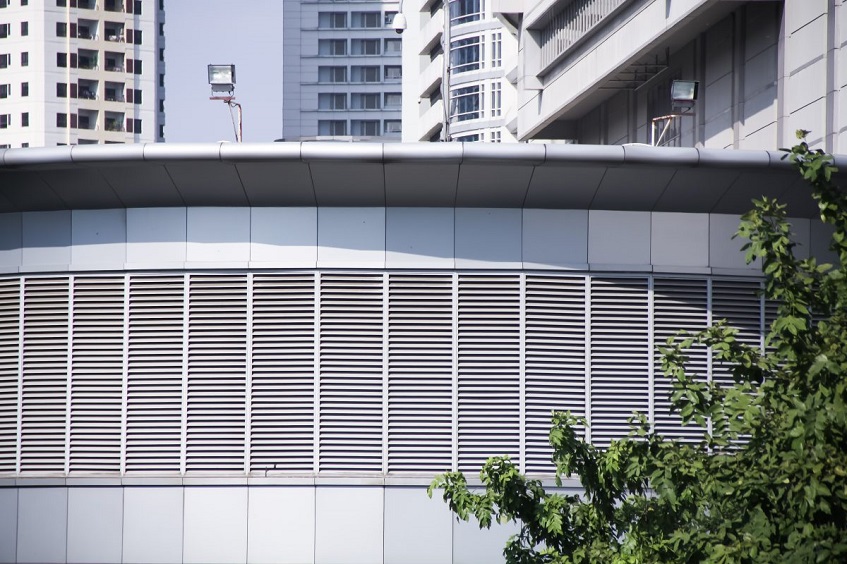

Air movement inside enclosed structures is rarely left to chance. In industrial panels, machinery housings, electrical enclosures, and protective cabinets, controlled ventilation plays a key role in maintaining stable operating conditions. Without it, heat builds up, moisture accumulates, and internal components degrade faster than expected.
Ventilation systems designed for these environments are built to balance two needs at once: allowing continuous airflow while limiting the entry of dust, water spray, and debris. This balance is achieved through structured airflow components that guide air in a controlled direction rather than leaving openings exposed.
Among these components, slatted ventilation designs are commonly used due to their simple structure and reliable performance across different environments. Their geometry allows air exchange while acting as a physical barrier against external intrusion. As industrial equipment becomes more compact and sealed, these solutions have become increasingly relevant across modern engineering and construction applications.
Structured Vent Control in Built Environments
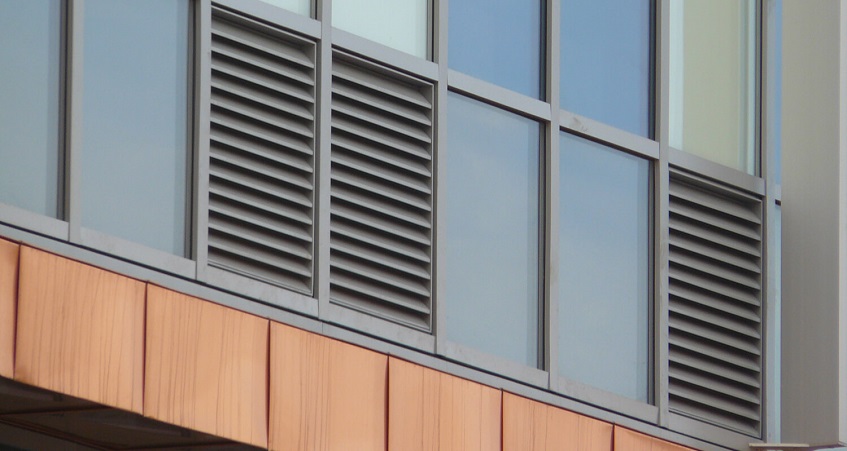
Slatted ventilation components are widely used in systems where controlled airflow and protection from external conditions are required. A louvre vent is designed to regulate airflow through angled slats that redirect air while reducing direct entry of rain, dust, and debris.
This makes it suitable for installations in machinery housings, electrical enclosures, and ventilation panels where internal stability is essential. In many applications, airflow direction and resistance to environmental exposure must be carefully balanced to maintain system integrity over time.
Common configurations vary from fixed slat designs to adjustable options that allow finer control over airflow intensity depending on operational demands. These systems are often manufactured in corrosion-resistant materials to support long-term use in demanding environments.
The slatted structure also assists in reducing direct water ingress during exposure to wind-driven conditions. As a result, these components are frequently chosen for environments where reliability is prioritised over visual appearance. They provide a practical balance between airflow efficiency and protective screening in enclosed systems. This makes them suitable across a wide range of industrial uses.
System performance improves when ventilation components are selected with a balance of protection, airflow control, and structural compatibility, especially in environments where reliability over time is essential, making the selection of a louvre vent for industrial enclosures an important consideration during system design.
Design Variations and Functional Structuring
Design variations in slatted ventilation systems are mainly defined by structure, adjustability, and intended application environment. Fixed configurations use stationary slats that provide consistent airflow control without user adjustment. Adjustable versions allow modification of airflow direction and volume, making them suitable for dynamic operating conditions.
Hybrid designs combine aspects of both, offering structural rigidity with limited flexibility where required. Material selection also plays a key role, with aluminium commonly used due to its strength-to-weight ratio and resistance to corrosion. Plastic variants are used in lighter-duty applications where environmental stress is lower, while steel options are reserved for high-demand environments.
These differences directly influence airflow efficiency, durability, and suitability for specific installation contexts. Variations exist, and they are typically grouped by adjustability and material composition rather than appearance alone. Installation context determines which variation performs best, particularly in systems exposed to heat, moisture, or particulate matter.
Proper airflow alignment ensures efficiency is maintained even when external conditions fluctuate significantly. These factors are often considered alongside structural durability when selecting suitable ventilation solutions for long-term use.
Airflow consistency remains the primary performance indicator across all configurations. Understanding these distinctions helps ensure better system integration across different industrial applications.
Sealing features and louvre geometry can also influence resistance to dust ingress, particularly in environments with continuous airflow pressure differences. This makes them a dependable choice in systems where passive ventilation must operate without mechanical assistance.
Tips for Selection and Usage
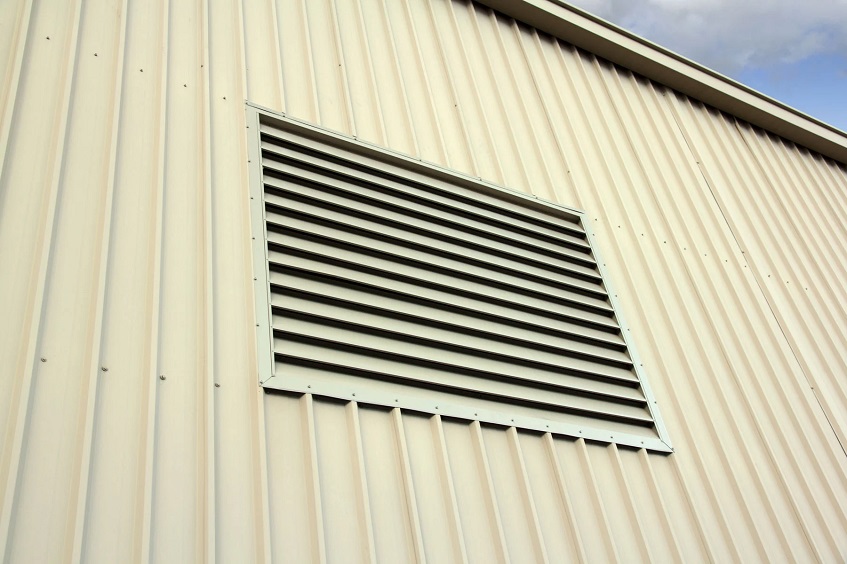
Selecting the right ventilation configuration involves assessing performance requirements, exposure conditions, and long-term operational expectations rather than focusing on appearance alone.
- Match airflow demand to enclosure size and heat output levels
- Prioritise corrosion-resistant materials for exposed or outdoor installations
- Select fixed or adjustable structures based on system flexibility needs
- Ensure compatibility with surrounding panel design and mounting constraints
- Evaluate airflow path efficiency under real operating conditions
System performance improves when ventilation components are selected with a balance of protection, airflow control, and structural compatibility, especially in environments where reliability over time is essential, as seen in a well-matched design like a louvre vent solution.
Where Air Finds Its Direction
Effective ventilation design plays a crucial role in maintaining performance and longevity across enclosed systems. By controlling airflow direction while limiting external contamination, structured ventilation components help stabilise internal environments under varying conditions.
Different configurations offer flexibility in how air is managed, allowing systems to adapt to diverse industrial demands. Understanding the balance between protection and ventilation ensures more reliable long-term performance in critical applications.
Across engineering and manufacturing environments, louvre vents remain a standard approach to controlled airflow management. They continue to support efficient system operation where durability and consistency are essential requirements.
From basic enclosure use to more demanding industrial environments, ventilation louvers remain widely implemented due to their simple yet effective airflow control design. They provide consistent performance without unnecessary complexity in system architecture.