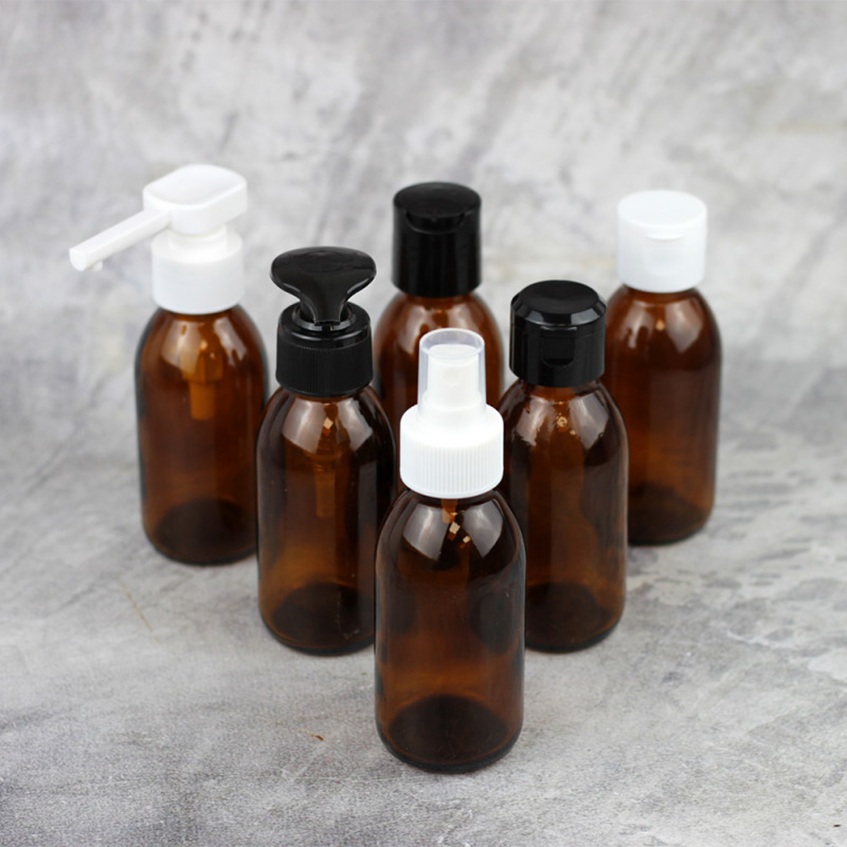

Pharmaceutical packaging does far more than contain a medicine. It must protect the formulation from moisture, oxygen, light, contamination and physical damage while maintaining its quality throughout manufacturing, transport, storage and use. Plastic packaging has become increasingly important as advances in polymer technology have provided lightweight, sturdy, and cost-effective alternatives to traditional glass packaging.
However, choosing the right material requires more than choosing a bottle based on appearance or price. Polymer chemistry, barrier performance, chemical compatibility, manufacturing methods, closure integrity and regulatory requirements all need to be considered.
Material Selection and Polymer Chemistry
The polymer used for pharmaceutical packaging directly influences its strength, flexibility, permeability, chemical resistance and suitability for different formulations. There is no single material that is appropriate for every application, so selection should begin with the characteristics of the medicine itself.
Polyester Terephthalate (PET)
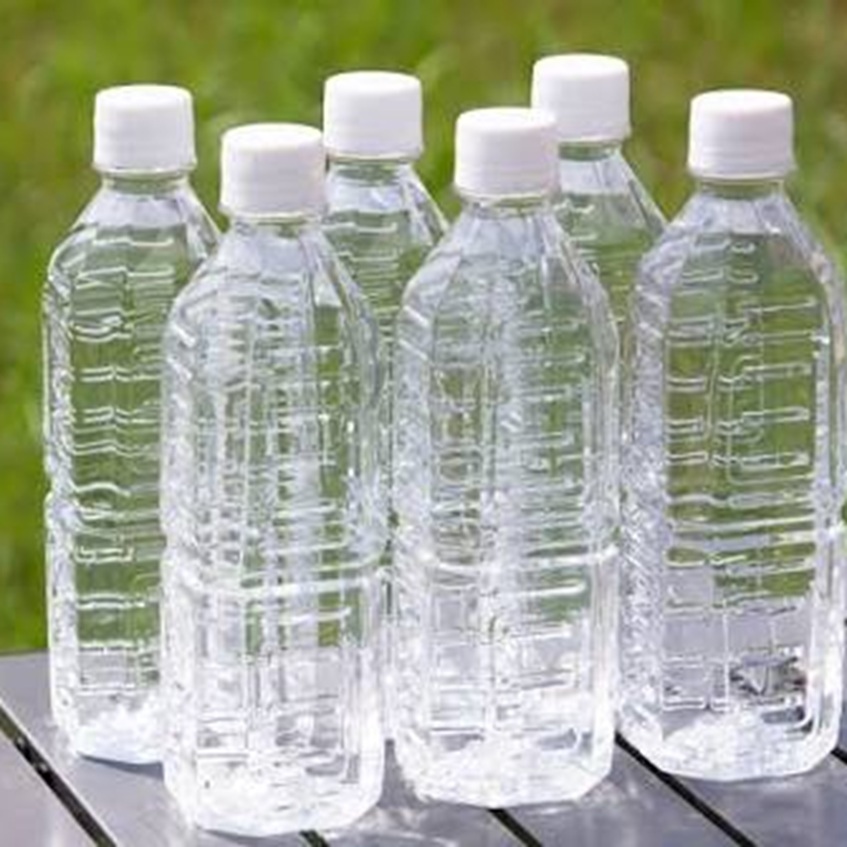
PET is particularly useful where clarity, strength and shatter resistance are important. Its transparency allows the contents and fill level of a durable plastic pharmaceutical bottle to be easily observed, making it a common choice for certain liquid formulations, including syrups and suspensions.
PET also offers useful gas-barrier performance compared with many commodity plastics. However, no polymer should automatically be considered impermeable to oxygen or moisture. The required barrier performance should always be assessed against the specific formulation and its intended shelf life.
High-Density Polyethene (HDPE)
HDPE is one of the most widely used materials for pharmaceutical packaging, particularly for solid oral dosage forms such as tablets and capsules. It offers good chemical resistance, durability and useful moisture-barrier properties. This makes it suitable for products where exposure to humidity could affect the stability or physical characteristics.
HDPE is also lightweight, which is valuable throughout pharmaceutical supply chains. Bottles may pass through manufacturing facilities, warehouses, transport networks, pharmacies and consumers’ homes, so resistance to everyday handling is important. The material can also be pigmented. White HDPE is used in general pharmaceutical applications, while amber HDPE can provide additional protection for light-sensitive products.
Polypropylene (PP)
PP offers good chemical resistance and thermal stability and is frequently used for pharmaceutical closures and specialised containers. Its ability to tolerate higher temperatures makes it useful for applications involving thermal processing or sterilisation, where the specific PP grade and complete packaging configuration are suitable for the process.
PP can also be used where dimensional stability and resistance to chemical interaction are important. As with other polymers, its suitability needs to be assessed against the actual formulation rather than assumed from the material name alone.
Low-Density Polyethene (LDPE)
LDPE is considerably more flexible than HDPE, making it useful where the container needs to be squeezed during dispensing. This makes LDPE particularly suitable for dropper bottles and certain topical products. Its flexibility allows controlled pressure to be applied to the container, helping dispense the contents. Its barrier and mechanical characteristics differ from those of HDPE, so the choice should take into account the formulation, storage conditions and required shelf life.
Extractables and Leachables
Chemical compatibility is a critical consideration when choosing a plastic bottle for pharmaceutical use. Packaging is rarely made from base polymer alone. Additives, colourants, stabilisers, processing aids, lubricants and other substances may be present in the packaging system. These substances can interact with the pharmaceutical formulation.
Extractables are substances that can be released from packaging materials under laboratory extraction conditions. They help identify chemicals that could potentially migrate from a packaging component. Leachables are substances that actually migrate into the pharmaceutical product under normal storage or use conditions.
The distinction matters because the risk depends on the formulation. A dry tablet may interact with packaging differently from a liquid containing solvents or surfactants. Factors such as pH, temperature, formulation composition and storage duration can influence potential migration. For this reason, packaging compatibility should be assessed using the complete container-closure system rather than considering the bottle material in isolation.
Good Manufacturing Practice
Pharmaceutical packaging requires consistent manufacturing and quality controls because variations in the container can affect the performance of the finished medicine. A pharmaceutical packaging manufacturer should have appropriate controls over raw materials, production, environmental conditions, testing and batch traceability.
Supplier qualification is equally important. Buyers should consider whether a supplier can provide consistent material specifications, certificates and technical documentation and whether it has suitable procedures for managing manufacturing changes. A change in resin supplier, additive, colourant, mould or manufacturing process can alter a bottle. Effective change control therefore forms an important part of pharmaceutical packaging management.
Functional Performance and Barrier Properties
Material selection needs to be tailored to what the packaging must protect the medicine against.
Moisture and Oxygen Protection
Moisture can cause hydrolytic degradation in susceptible APIs and can affect the physical properties of certain tablets and capsules. Oxygen can cause oxidation of APIs, excipients, colours and other formulation components. Different polymers provide different levels of resistance to moisture and gas transmission. However, the finished container’s performance also depends on factors such as wall thickness, bottle geometry, manufacturing method and closure design.
A bottle with suitable barrier properties can still fail to provide adequate protection if the closure allows excessive ingress of air or moisture. For highly sensitive products, manufacturers may need to consider additional measures such as specialised materials, liners, seals or secondary packaging.
Light Protection
Certain pharmaceutical ingredients are sensitive to ultraviolet or visible light and may degrade when exposed for extended periods. Pigmentation is one way to reduce light transmission. Amber HDPE and PET, for example, can provide greater protection than clear containers for suitable applications.
Colour alone should not be treated as proof of adequate protection. The required level of light resistance depends on the formulation and its stability characteristics and should be supported by appropriate testing. Secondary packaging, such as an opaque carton, can provide another layer of protection where necessary.
Closure Systems and Container Closure Integrity
The bottle is only one part of the packaging system. The closure, liner, seal and bottle finish must work together to protect the medicine. Container closure integrity (CCI) is the system required to provide barrier and protection throughout its intended life.
Child-Resistant Closures
Child-resistant closures are designed to reduce the likelihood that children can gain access to certain medicines. Importantly, child resistance is a property of the packaging system, not simply the cap. The complete configuration needs to provide the required performance, including throughout the relevant period of use.
Tamper-Evident Seals
Tamper-evident features help indicate whether a package has been opened or interfered with. Depending on the design, this can include breakable bands, membranes or other seals that must be altered before the contents can be accessed. For medicines where tamper evidence is required or appropriate, the feature needs to work reliably without compromising normal dispensing.
Induction-Sealing Wads
Induction sealing creates a membrane between the bottle and closure. It can provide an additional barrier against contamination, leakage and unauthorised access. Performance depends on the bottle material, liner, closure, induction equipment and process conditions. These elements therefore need to be considered as a complete system rather than as independent components.
Manufacturing Processes
The manufacturing method affects bottle dimensions, wall thickness, strength, appearance and consistency.
Injection Blow Moulding (IBM)
Injection blow moulding begins with an injection-moulded preform that is subsequently expanded into the final bottle. The process allows precise control of the neck finish and can provide relatively consistent wall thickness. This makes IBM useful for pharmaceutical bottles where dimensional accuracy is important. A precise neck finish is particularly valuable because it needs to interact consistently with the closure and sealing system.
Extrusion Blow Moulding (EBM)
Extrusion blow moulding is commonly used for hollow plastic containers and can be cost-effective for larger-volume bottles. Molten polymer is extruded into a tube before being captured inside a mould with air. EBM provides considerable design flexibility and can accommodate more complex shapes and integrated handles. However, pharmaceutical applications require careful control of wall distribution, dimensions and other critical characteristics.
Injection Stretch Blow Moulding (ISBM)
ISBM is particularly associated with PET containers. During the process, a PET preform is heated and stretched both lengthwise and radially before being blown into its final shape. This biaxial orientation can improve strength, clarity and material distribution. It is particularly useful when manufacturers want lightweight PET packaging with good mechanical performance and an attractive transparent appearance.
Choosing a Plastic Bottle for Medicine Packaging
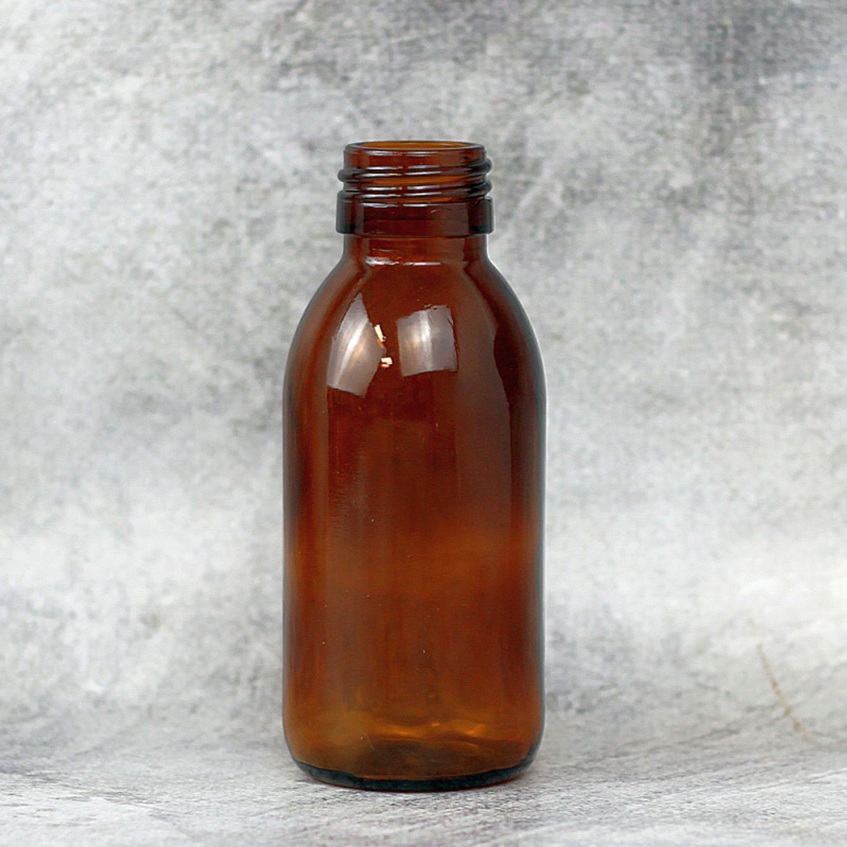
The right plastic bottle for medicine packaging should begin with the formulation rather than the container. First, determine the dosage form. Tablets, capsules, liquids, suspensions and topical products have different packaging requirements. Consider the formulation’s sensitivities. Is the product affected by moisture, oxygen or light? Does it contain solvents, oils, surfactants or other ingredients that could interact with the packaging?
Storage conditions and shelf life should then be considered. Packaging must maintain its required performance for the entire intended period of storage and use. The closure system is equally important. A suitable plastic pharmaceutical bottle with an unsuitable cap or liner may not provide the required protection.
Consider regulatory requirements for the markets in which the medicine will be supplied. A package suitable for one market may require additional documentation or features for another.
Sustainability and Future Innovations
Sustainability is increasingly influencing pharmaceutical packaging, but it must be balanced against product protection. Unlike many consumer products, pharmaceutical packaging cannot simply prioritise recyclability or reduced material use if doing so compromises the stability of the medicine or patient safety.
Recycled Polymers
Post-consumer recycled (PCR) plastics are being explored as manufacturers seek to reduce virgin plastic consumption. Pharmaceutical applications require much stricter controls than many general packaging applications. Recycled materials can introduce additional variability or potential contaminants, meaning composition, traceability, consistency and compatibility need to be carefully assessed.
Where recycled content is introduced, manufacturers must demonstrate that it does not compromise the required quality or performance of the packaging system.
Bio-Based and Biodegradable Resins
Bio-based polymers are another developing area. They may reduce dependence on fossil-derived feedstocks, but bio-based does not necessarily mean bio-degradable. A biodegradable or bio-based polymer is not automatically appropriate for pharmaceutical packaging. The material must still maintain its mechanical, chemical and barrier properties for the required shelf life.
Emerging materials face the same fundamental requirements as established polymers: compatibility, stability, manufacturing consistency, barrier performance and regulatory suitability.