
Are you thinking about learning to play the bass and want to get it right from the start? It’s the instrument that plays the low, deep notes you hear sitting underneath a song. Knowing what it does in a band and what all the parts are called makes the whole thing a lot less confusing.
What is a Bass Guitar?
If you’re getting into music, the bass guitar, which glues everything together, is a great place to start. It’s the instrument that plays the low, deep notes you can feel in your chest, and it works with the drums to keep a song moving.
What Bass Guitars Actually Do
Most people go for the vocals and guitar riffs first, but in most cases, the low end is what holds a song together. Sitting below the guitars and vocals, deep-toned bass guitars lock in with the drums to set the beat and keep everyone in time.
As a bass guitarist, you’re mostly there to back the band up and hold down the root of the song, not to lead. Sure, some players do step out front now and then, but that’s the exception. That doesn’t make the job any less important, though. In some genres, a band can’t really go without a bassist.
Anatomy
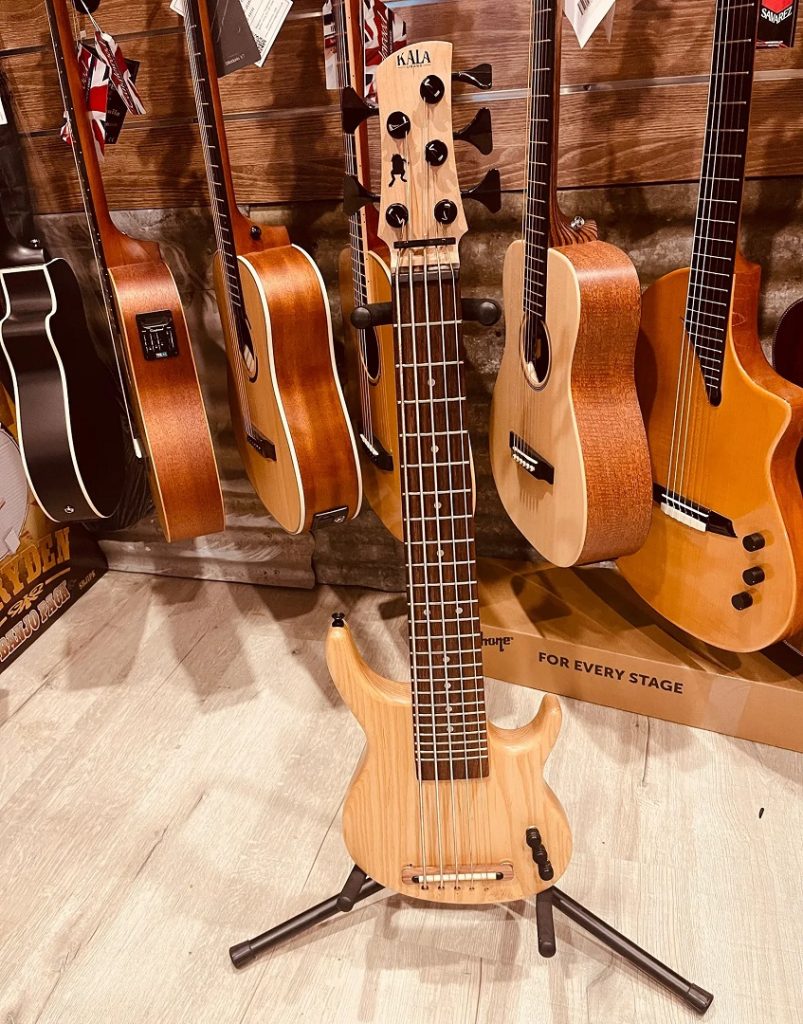
Most basses have four strings, which is two less than a standard guitar. Once you have more experience, you can look for bass guitars online that have five- and six-string versions.
The Body
The body is the biggest part of your bass, and the shape usually falls into one of three camps: P-Bass, J-Bass or a modern design. On the body, you’ll notice the following parts:
- Pickguard: The plastic plate that protects the finish from damage.
- Bridge and saddles: The part that holds your strings in place and where you adjust string height and intonation.
- Control Knobs: Button-like objects that you use to adjust volume and tone settings for the pickups.
- Pickups: They are magnetic components that pick up the string vibrations and send them to your amp.
- Strap button: This is a little metal pin that holds your strap so you can play while you’re standing
- Output jack: This refers to the socket your lead plugs into to hook up to an amp or interface.
The Neck
The neck connects the body to the headstock, and you’ll usually see it shaped like a U, V or C. At the top, the nut keeps your strings spaced out and lifted off the fretboard. That’s the flat surface (some call it the fingerboard) where you press down on the strings, and the metal frets across it help you hit the right notes. The little dots along the side are fret markers, and they help you keep track of where you are.
The Headstock
This is where you tune up. The tuning pegs tighten or loosen each string to change the pitch, and the string tree keeps everything sitting at the right angle over the nut.
Once you know your way around a bass, you can start setting it up to suit the way you play. Don’t be afraid to experiment and tweak things until it feels right and sounds just as you want it to.
Types and Categories
Bass guitars come in more than one format, so it helps to know what to expect when you go looking for a bass guitar Australia-wide. There are two main kinds, and each has its own strengths. Knowing the difference will help you pick the one that’s right for you.
Electric Bass
The electric is the one you’ll see most, and of all bass guitars, it’s also the most flexible. It works for just about any style, whether you’re into rock, funk, jazz or metal. You’ll need an amp to hear it, which is actually a good thing because you can change your sound with the amp settings, pedals and EQ.
Acoustic Bass
An acoustic bass has a hollow body with a soundhole, just like an acoustic guitar. Typically they’re cheaper and sound great for folk, country and jamming with mates.
They can be tougher when you’re starting, though. Their neck is thicker, and they’re pretty quiet, but if you already have experience, you’ll know how to work with them too. Most of them come with a built-in pickup, so you can plug into an amp when you want to be heard.
When you know how each one performs, you’ll easily work out which one suits your style, and you’re ready to go shopping.
What Music Genres Can You Use It For?
The bass fits into just about every style you can think of. In rock, it drives the energy and builds tension through the verses and in metal, a bass guitar takes it heavy and low. Jazz lets it walk along and improvise, while funk is all about creating a groove that gets you moving.
You’ll also hear it in pop music. It keeps things catchy and balanced in the background. Once you purchase bass guitars of your own, you can have a go at all of them and find what matches your music taste best.
The bass is a great way to play music no matter what genre you’re into. Choose the one that feels right, take your time getting to know it, and you’ll find it’s a rewarding instrument to play in any style.