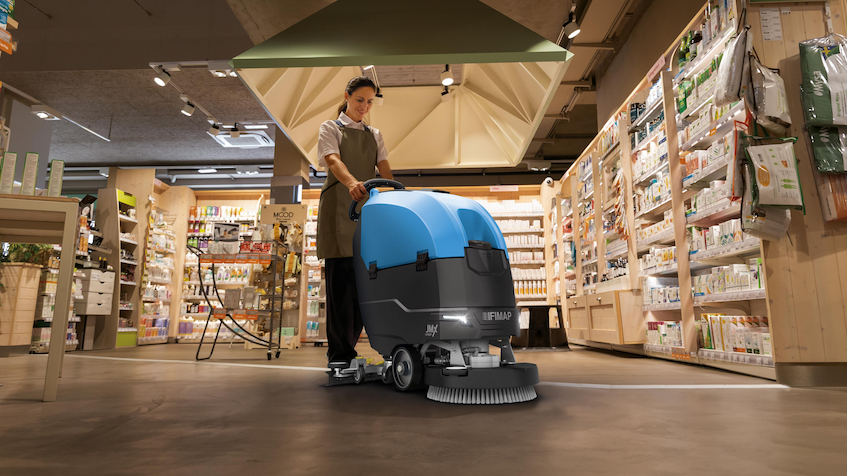

Deep cleaning projects often begin with good intentions and end with sticker shock. Whether it’s removing stubborn stains from carpets, pressure washing a driveway, or restoring commercial flooring, many people quickly discover that professional cleaning equipment comes with a hefty price tag.
For most homeowners and small businesses, buying industrial-grade cleaning machinery doesn’t make financial sense, especially for one-off or occasional jobs. A high-powered carpet extractor or commercial floor scrubber may only be used a few times a year, yet it still requires storage space, maintenance, repairs, and ongoing upkeep. This is where cleaning equipment hire becomes the smarter solution.
Hiring gives you temporary access to professional-grade machines without the long-term commitment of ownership. Instead of settling for underpowered supermarket cleaners that struggle with deep dirt and heavy stains, you can use commercial equipment designed for serious performance.
Common Types of Hired Equipment
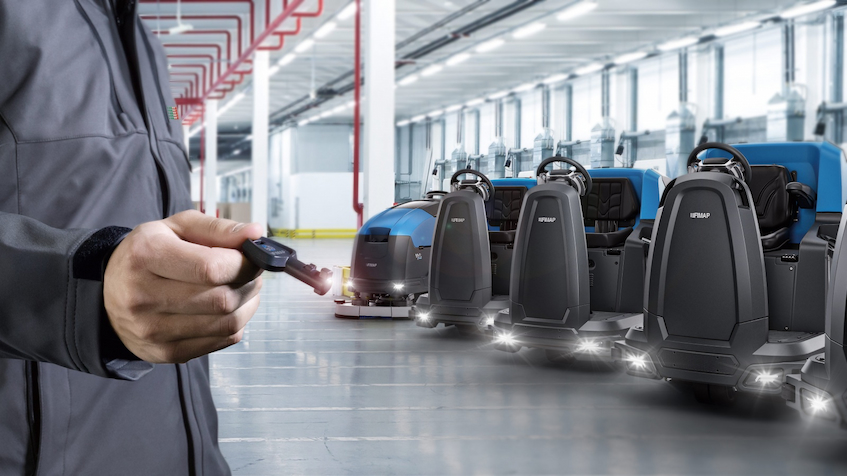
Modern cleaning equipment hire services offer far more than basic vacuums and carpet cleaners. Today’s hire market includes specialised machines designed for nearly every cleaning challenge imaginable.
Carpet and Upholstery Cleaners
Deep-extraction carpet cleaners are among the most popular rental options for residential users. Unlike household carpet cleaners, commercial extractors inject cleaning solution deep into carpet fibres before extracting dirt, allergens, and moisture with powerful suction.
These machines are ideal for:
- Removing stubborn stains
- Refreshing upholstery
- Eliminating pet odours
- Restoring high-traffic carpet areas
Post-lease cleans or seasonal deep cleaning can dramatically improve both appearance and hygiene.
Floor Scrubbers and Polishers
Hard flooring requires a different approach than carpets. Tile, vinyl, sealed concrete, and commercial flooring often need industrial-grade scrubbing power to remove built-up grime.
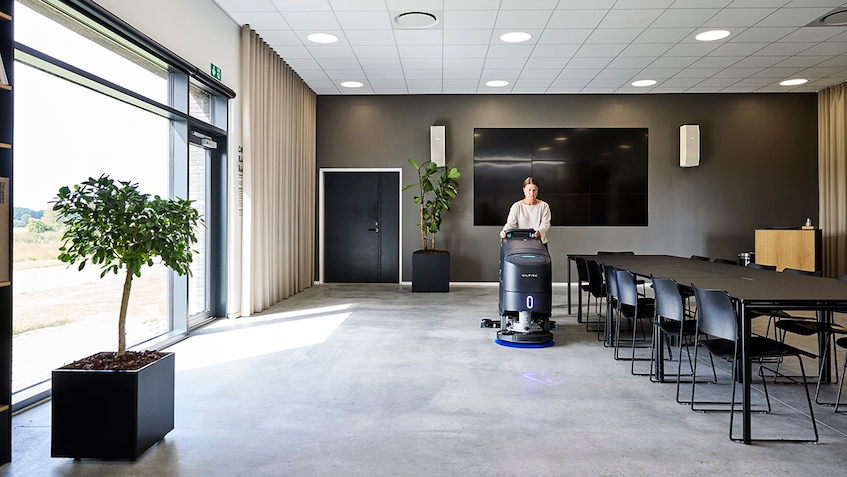
Floor scrubbers use rotating brushes or pads combined with water and detergent to clean surfaces thoroughly and evenly. Polishers, meanwhile, restore shine and smoothness to worn floors. Many businesses rely on floor cleaning hire services for periodic maintenance rather than purchasing costly equipment outright.
Pressure Washers
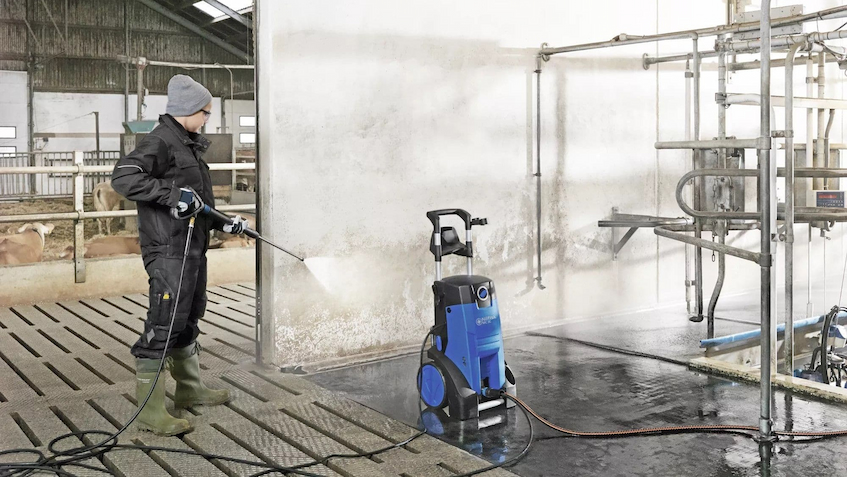
Pressure washers are one of the most versatile cleaning tools available.
They’re commonly used for:
- Driveways
- Decks
- Brick walls
- Outdoor furniture
- Patios
- Fencing
Electric pressure washers are generally quieter and suited for lighter residential tasks, while petrol-powered models deliver significantly higher pressure for demanding commercial or exterior work. Choosing the correct pressure level is crucial. Excessively high PSI can damage timber, paint, or delicate masonry if used incorrectly.
Industrial Vacuums
Not all vacuums are designed for heavy debris or construction dust. Industrial vacuums are specifically engineered to handle:
- Fine particles
- Renovation debris
- Sawdust
- Wet spills
- Hazardous dust
HEPA-rated vacuums are particularly important during renovation projects because they capture microscopic particles that ordinary vacuums may recirculate into the air.
Steam Cleaners
Steam cleaners offer chemical-free sanitisation using high-temperature steam.
They’re commonly used for:
- Kitchens
- Bathrooms
- Tile grout
- Commercial food areas
- Allergy-sensitive environments
Because steam penetrates surfaces effectively, it can loosen grime and kill bacteria without relying heavily on harsh cleaning chemicals.
When to Hire: Assessing Your Needs
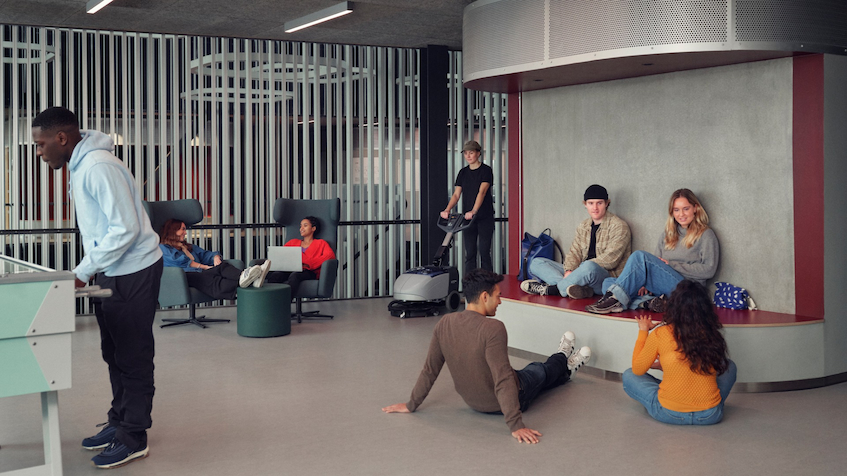
Hiring cleaning equipment makes the most sense when the job exceeds what ordinary household tools can realistically achieve.
Residential Projects
Many homeowners turn to cleaning equipment for hire during seasonal deep cleans or specific restoration projects. Rather than spending hundreds or thousands on machinery, hiring allows homeowners to tackle these projects efficiently at a fraction of the cost.
Small Business and Office Cleaning
Commercial spaces experience heavier foot traffic and require deeper maintenance than residential properties.
Businesses often hire equipment for:
- Office carpet cleaning
- Vinyl floor scrubbing
- Restaurant floor maintenance
- Upholstery restoration
- Warehouse cleaning
Hiring industrial floor-cleaning machines can help businesses maintain professional standards without committing to owning permanent equipment.
Event and Venue Clean-ups
Large gatherings create large messes. Festivals, weddings, conferences, and community events often leave behind stained carpets, muddy walkways, and overflowing debris. Hiring industrial cleaning equipment allows organisers to restore venues quickly and efficiently after the event.
The Time vs. Cost Analysis
One important question always arises: should you hire equipment yourself or pay for a professional cleaning service? Hiring equipment is often cost-effective for manageable DIY projects where labour is the main expense. If you’re comfortable operating the machinery and have time to complete the work, rental equipment can deliver excellent value.
However, highly specialised tasks such as flood restoration, delicate stone cleaning, or large commercial jobs may still justify hiring professionals with advanced expertise. The ideal approach is to weigh the rental cost, your available time, and the difficulty of the project before deciding.
The Hire Process
Hiring cleaning equipment is relatively straightforward, but preparation helps ensure the best results.
Define the Scope
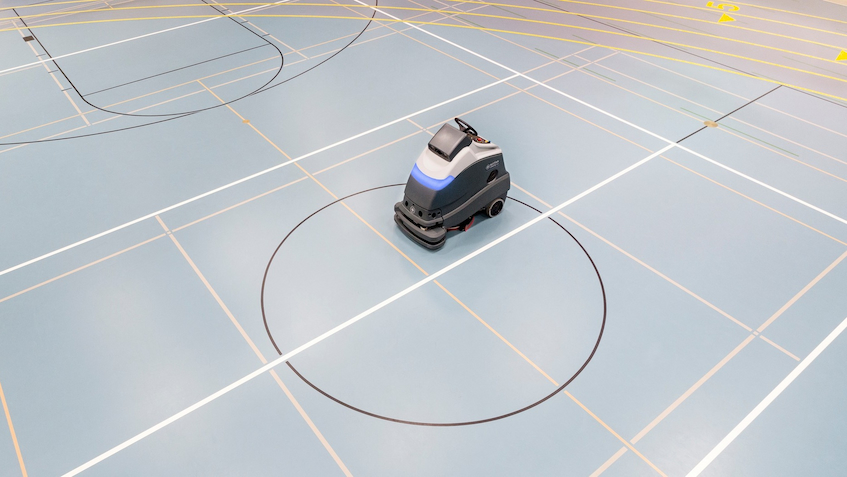
Before visiting a hire shop, assess the size and condition of the area you need to clean. Consider the square footage, surface type, severity of dirt or staining and the access to power and water. This information helps staff recommend the correct machine size and power level.
Check Surface Compatibility
Not every machine is suitable for every surface. For example, high-pressure washers may damage soft timber, aggressive floor pads can scratch delicate flooring, and certain chemicals may react poorly with stone surfaces. That’s why you should always confirm compatibility before beginning the job.
Inspect the Equipment
When collecting the machine, perform a quick inspection. Don’t forget to check for damaged cords, leaking hoses, loose fittings, missing attachments or even signs of excessive wear. Addressing issues before leaving the hire shop prevents unnecessary frustration later.
Ask for a Demonstration
Never assume a machine operates like a household version. Professional equipment can behave very differently, especially larger scrubbers and extractors. Ask staff for a quick demonstration or instruction manual before taking the machine home. Learning proper setup, chemical ratios, operating pressure, and cleaning patterns can dramatically improve results.