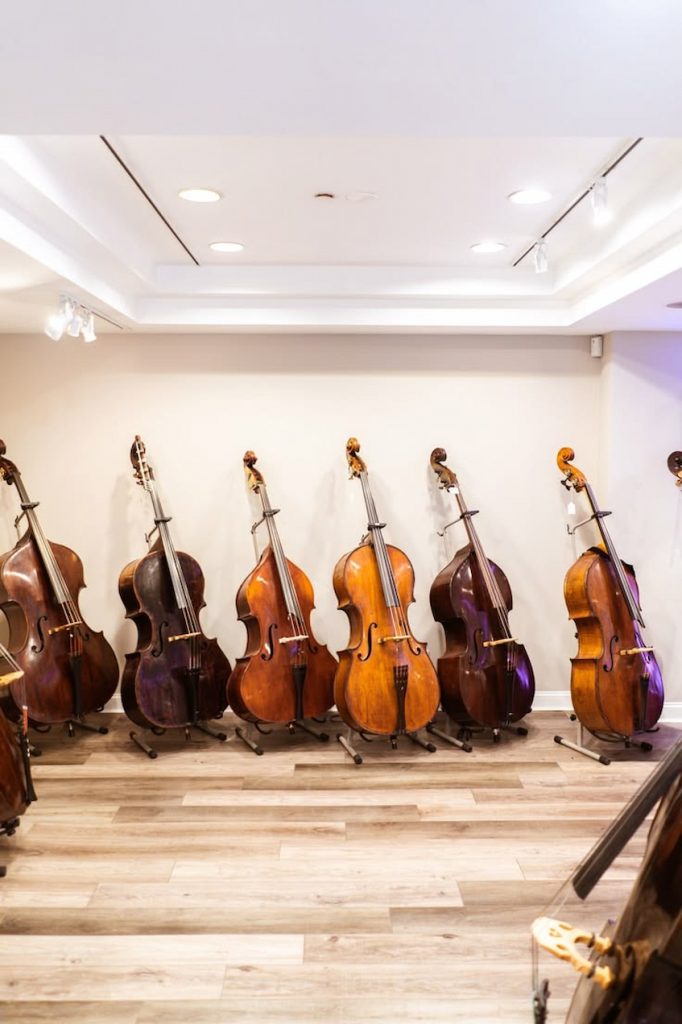

Starting a new instrument is always a thrilling journey. But with an instrument as intricate and large as the double bass, learning can be a little intimidating.
Known for its deep tones and unique presence in the music industry, a double bass is one of the most intriguing instruments ever invented. From classical styles to modern ensembles, the double bass has a strong presence in a wide range of musical styles and genres.
Your first double bass defines the rest of your journey; that is why you must choose right. The right choice of double bass can elevate your learning experience, help you develop your music style, and make you feel music on a whole new level.
Join us as we explore the characteristics of this timeless instrument as well as the essentials you must know before you purchase your first beginner’s double bass.
Why Learn the Double Bass?

The double bass is one of the most recognisable musical instruments in every orchestra. Its rich history and strong prominence in numerous musical genres are a testament to its longevity and significance in the music industry. So, to answer it simply, you should start the double bass because it will never go out of style.
Of course, its timelessness speaks for itself, but the double bass is quite a difficult instrument to pick up, so you must have patience and a strong wish for success.
The sound that the double bass produces is a rich, deep tone characterised by its resonant quality. That itself is quite a tune for your ears. If you enjoy deep, soulful music, then the double bass might be just the instrument you’re looking for.
Although usually second to musical excellence in importance, playing the double bass also has numerous physical and emotional benefits. For starters, the large size and heavy weight of the double bass require you to keep a straight, upright position, improving your posture in the process. The double bass has also been linked with improvements in upper body strength and hand-to-eye coordination.
As for emotional benefits, playing the double bass can lead to enhanced cognitive abilities, better concentration and even significant improvements in your problem-solving skills. Musicians are required to memorise notes, rhythms, melodies, and fingerings, all important activities for increasing focus and concentration.
What You Need to Start Playing
Whether learning to play the double bass is a lifelong passion of yours or a newly sparked interest, before you start playing, you must have all the necessary gear to tackle this new experience.
Here is a checklist that might help you get started on this wonderful learning journey!
- Double Bass: Although it might seem obvious, it’s still worth mentioning that you need a playable double bass. This means that the double bass you’ll be learning on has to sit at a comfortable playing height. If you’re unsure about purchasing a double bass, you can try instrument rentals.
- A Bow: A bow is the tool you softly drag across the bass. There are two main styles of double bass bows: French bows and German bows. These two styles of bows are distinct in shape and grip placement. If you’re learning the double bass by yourself, it’s worth noting that the French bow tends to be more comfortable for beginners.
- Rosin: An instrument rosin is a resin made of pine sap that you apply to the bow’s hair. This resin allows the bow to get a better grip on the instrument’s strings, producing a higher-quality sound.
- Case: Although having a case isn’t exactly necessary, it’s still a great tool to have if you want to store your instrument safely. An instrument bag is especially useful if you’re considering transporting your instrument.
- A Stool: Because the double base is quite large and heavy, you’ll need to be seated to play and comfortably support its weight. This is why you need to be seated on an adjustable stool to improve your posture during long sessions.
Choosing the Right Double Bass for Beginners
Buying a double bass as a student can be overwhelming. Because this instrument is quite expensive and large, many beginners are afraid they’ll accidentally purchase the wrong double bass for themselves. Let’s explore a few key characteristics, so you get exactly the beginner double bass you need.
- Size Matters: Because the double bass is physically demanding, you must be able to support its weight while being agile enough to play. If your bass is too small, it may limit the sound quality, and if it’s too large, it can be uncomfortable to play. That’s why selecting the right size matters.
- Personal Preferences: At the beginning of your learning journey, you should set goals you’d like to reach as you learn how to play the double bass. Aligning your personal preferences with your choice of a double bass is crucial in the process of selection. Consider the musical genre you’d like to play, as well as personal aesthetic preferences, before selecting a double bass.
- Rent vs Buy: Whether you should buy or rent a double bass depends on your personal goals. Renting is a good choice for beginners, as you haven’t yet found your sound. Buying is a wise investment if you’re committed to long-term playing.
- Bass Material: There is a significant difference in sound depending on the material used to make the double bass. Understanding the differences between unique bass materials and how different constructions influence your playing is an important step when selecting a double bass.
Essential Tips for New Players
Now that you have selected your double bass, it’s time to start playing. To make your journey easier, here are a few essential tips for beginner players!
- Fix Your Posture: Having the correct posture while playing the double bass isn’t just important for comfort, but it also prevents any injuries from occurring due to improper posture. By keeping your back straight, shoulders relaxed and supporting the weight of your bass with your legs, you will not only improve the sound your bass produces but also minimise the risk of unwanted injuries.
- Tune Before Practice: Always tune your bass before you start practice. This way, the sound your bass produces will be clean and crisp. By adding this little step before each practice, you’ll also develop a good ear and know immediately if you’re playing off tune.
- Start Small: We understand that the excitement lies in the complex musical pieces. However, you must start small. Start by practising scales and arpeggios until your fingers get used to playing and develop the skill to move to bigger compositions.
- Listen to Recordings: To develop a better understanding of tone and playing style, ensure you’re listening to as many musical pieces as you can. By immersing yourself in the works of different musicians, you can explore different musical styles and pay attention to the variations in tone.