
Every pilot has a handful of pieces of gear that feel almost non-negotiable. High on that list is the aviation headset. It may look straightforward, with earcups, a microphone, and a pilot headset adapter connecting it to the aircraft, but there’s more to consider than meets the eye. Comfort, noise reduction, microphone quality, connectivity, and other features can all affect your experience in the cockpit. Here are the key things to consider before choosing your next device.
Connectivity
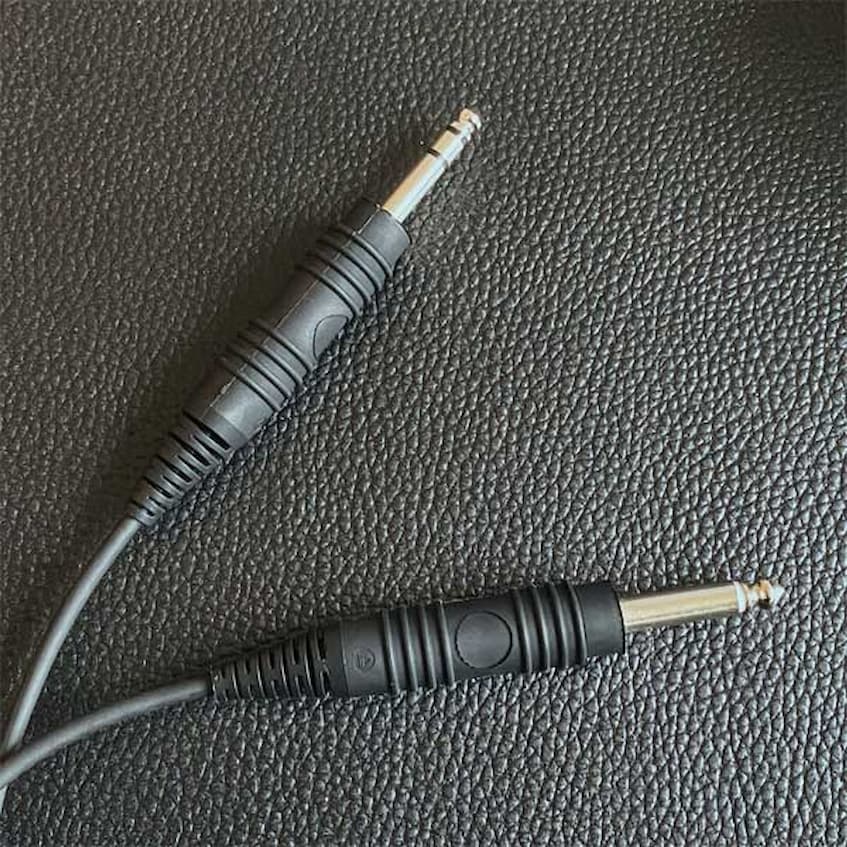
What jacks do aviation headsets use? Look for a versatile aircraft headphone adapter that includes dual GA (double jack), U-174, or LEMO, with U-174 commonly associated with helicopters. Adapters can bridge different connection types, such as allowing a device with dual GA plugs to connect to a U-174 socket.
The right setup depends partly on the aircraft you fly and partly on the type of headset you use. If you regularly fly the same vehicle, matching the device connector to its cockpit is usually the simplest approach. But if you move between different vehicles, an adapter can give you more flexibility without having to replace the headset itself.
It’s also worth thinking about what the aviation headset cables need to do. With a passive noise-reduction model, the connection mainly needs to carry audio and microphone signals, so a standard dual-jack setup can be enough. Active noise reduction (ANR) is different because the device needs a power source to run its electronics. Many ANR models use batteries, but some connection types can supply power directly from the aircraft.
A LEMO aircraft headphone adapter is one example. Depending on the setup, it can carry both communication signals and power, helping reduce reliance on batteries. XLR connections can also be used for combined communication and power in certain aircraft configurations.
Airline headphone adapters can be useful when your device and aircraft have different connectors. For example, a dual-GA headset can be connected to a helicopter’s U-174 system with the appropriate adapter. Just remember that changing the connection can affect which features remain available. If you adapt a LEMO or XLR connection to a standard dual jack, for instance, the aircraft may no longer be able to provide power for ANR.
Before buying, check both ends of the connection rather than assuming an adapter will solve every compatibility issue. A little planning here can save you from discovering that your new headset doesn’t quite match the aircraft once you’re ready to fly.
Sound Sources
A good aviation headset does more than let you hear and speak to other people. It also helps manage the different sounds around you, particularly the constant noise coming from the aircraft. When choosing a model, think about how much noise reduction you need and whether you want to connect other devices.
-Passive noise reduction: This uses the physical design of the earcups to block outside sound. It’s a simple option and can work well if you still want to remain aware of the space around you.
-Active noise reduction (ANR): ANR uses electronic technology to counteract certain background sounds, making it useful for reducing the steady engine noise you experience during flight. Keep in mind that ANR models require a power source, usually batteries or a compatible aircraft connection.
-Bluetooth connectivity: If you want to listen to music or take phone calls between communications, Bluetooth can let you connect a mobile device wirelessly. This can be a handy extra if you want more than just communication.
Think about what you need during your flights rather than choosing features simply because they’re available. The right combination of noise reduction and connectivity can make flying more comfortable without adding unnecessary complexity.
Comfort
You could have excellent sound quality and all the features you need, but if your headset becomes uncomfortable after an hour in the cockpit, that can quickly become a problem. Pay attention to the following details before buying:
-Earcups: Look at both the outer material and the padding inside. Leather, plastic, foam, and gel are common options, with softer, breathable materials often feeling more comfortable over longer periods.
-Headband: A lightweight frame can improve your comfort during longer flights. Make sure the band sits securely without pressing too tightly.
-Padding: A well-padded headband can reduce pressure on your head. Some models also have replaceable cushions, which can be useful when the original padding eventually wears out.
-Fit: Everyone’s head is different, so look for a design that sits comfortably and securely without feeling loose or restrictive.
Your budget will naturally influence which materials and features you can choose. If possible, try different designs before settling on one, especially if you expect to wear it for several hours at a time.
Warranty and Certifications
Before buying, look at the manufacturer’s warranty. Coverage can vary between different brands and models, and a longer warranty may give you more reassurance about how long the headset will last. Check whether replacement accessories will remain available, particularly if you plan to keep the headset for several years.
Certification also matters, especially for professional pilots. Some airlines require personal equipment to meet recognised aviation standards, such as ETSO certification. Beyond meeting those requirements, certification indicates that the product has been tested against performance standards, including durability and resistance to heat, water, and repeated use.

