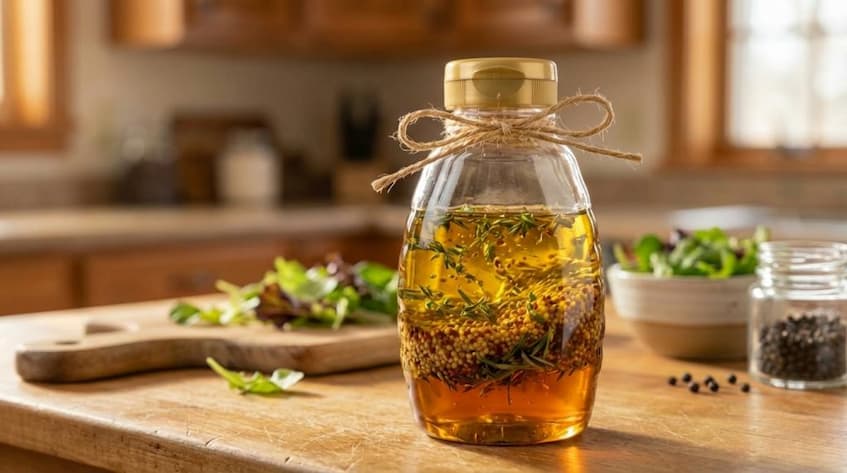

Good packaging affects how customers store, handle, and enjoy honey. A container should keep the product secure, make dispensing simple, and give your brand an appealing presence on the shelf. Details such as bottle shape, material, opening size, and closure design all influence how well your packaging performs.
If you produce or distribute honey, you need to consider more than just appearance. Your packaging should suit your product, fit your filling process, and give customers a convenient way to enjoy every last drop. Here’s what to consider when choosing the right container for your honey range.
Choose a Bottle Material That Suits Honey

The material you choose affects durability, handling, and presentation. Since honey has a thick, sticky consistency, you need packaging that allows customers to dispense it comfortably while keeping the contents properly contained.
Plastic is a practical choice for honey packaging. It’s lightweight, easier to handle than glass, and less prone to breakage during transportation. Plastic also works well for squeeze-style designs, allowing customers to dispense honey directly onto toast, pancakes, or yoghurt without reaching for a spoon.
Clear plastic offers another advantage: it lets customers see the product. Honey’s natural golden and amber tones can make the packaging more appealing, particularly when you want the contents to catch someone’s attention on a retail shelf.
When comparing different honey bottlematerials, pay attention to:
- Food-contact suitability: Check that the material meets relevant requirements for food packaging.
- Durability: Choose a container that can handle filling, transportation, and regular use.
- Flexibility: If you prefer a squeeze design, consider how easily customers can dispense the honey.
- Appearance: Transparent packaging showcases the product and gives your label room to do its job.
A honey bottle should bring these qualities together without making storage or everyday use unnecessarily complicated. Always check the manufacturer’s specifications before placing an order.
Find the Right Capacity and Bottle Shape
Capacity influences how customers buy and use honey, so consider your target market before settling on a size. Smaller containers can suit speciality varieties or customers who want to try something new, while larger options may appeal to households that regularly use honey for cooking and baking.
Think about your typical customer and how quickly they might finish a container. You should also consider where you sell your products. A small retailer may prefer several manageable sizes, while a supermarket range might benefit from consistent packaging across different varieties.
Shape matters just as much. Round designs offer a familiar grip, while oval containers can give your range a slightly different appearance. Squeeze-style packaging makes dispensing particularly convenient, especially when customers want to drizzle honey over food.
Plasdene’s collection includes 300ml upside-down, 355ml oval, and 350ml squeeze-style options, giving you a few practical designs to compare.
Check the bottle’s dimensions alongside its capacity, too. Consider how comfortably customers can hold it, how much room you have for a label, and how easily the container fits into storage and display spaces.
Select a Closure That Makes Dispensing Easier
A good closure can save customers plenty of frustration. Honey moves slowly, so the opening needs to allow it to flow without requiring excessive squeezing or leaving customers struggling to get the last portion out.
Start by considering how people will use the container. A squeeze bottle needs an opening that allows controlled dispensing, while an upside-down design keeps honey close to the dispensing end for easier access.
Snap-on closures can provide a convenient way to open and close squeeze-style containers. However, you should always check that the closure matches the bottle’s neck and finish. A poor fit can create problems with leakage, storage, and transport.
Before choosing, test the complete packaging combination with your actual product. Honey thickness can vary, so check how easily it flows through the opening and whether customers can control the amount they dispense. A little testing of the honey bottles now can prevent plenty of sticky complaints later.
Make Your Packaging Stand Out on the Shelf
Your packaging helps customers recognise your product, so give its appearance some thought. Clear containers let the honey take centre stage, while a distinctive shape can help your range stand out among competing products.
Your label should complement the container rather than overwhelm it. Keep the design easy to read, with enough space for your brand name, product details, net contents, and other required information. If you want customers to appreciate the honey’s colour, avoid covering too much of the container.
You can also create a consistent look across several varieties. Use the same general label layout, then introduce different colours or small design details to distinguish each product. This makes your range easier to recognise while keeping your branding cohesive.
Consider Filling, Storage, and Bulk Ordering
Your packaging needs to fit your production process as comfortably as it fits a customer’s pantry. Before ordering, check how easily you can fill, seal, label, store, and transport each container.
Pay particular attention to the bottle opening and neck finish. These dimensions can affect compatibility with filling and capping equipment, so compare the manufacturer’s specifications with your existing machinery. If you fill containers manually, consider how easy they are to hold and fill without spilling honey.
Storage also deserves attention. Check the dimensions of your chosen containers and work out how many you can fit into your available space. Consider how they will sit inside cartons, too, so you can organise stock and prepare orders efficiently.
Bulk ordering can help you maintain a steady supply of packaging, but calculate your expected usage first. Think about seasonal demand, storage capacity, and supplier lead times. Also compare minimum order quantities and unit prices before committing to a large purchase.
Give Every Drizzle a Better Experience
Choosing practical honey bottles means balancing product presentation, customer convenience, and your production requirements. The right material, capacity, shape, and closure can make everyday use easier while helping your product look appealing on the shelf.
Take time to compare specifications and test your preferred designs before ordering. A well-chosen container makes filling and storage simpler for your business and gives customers a more enjoyable way to serve their favourite honey.