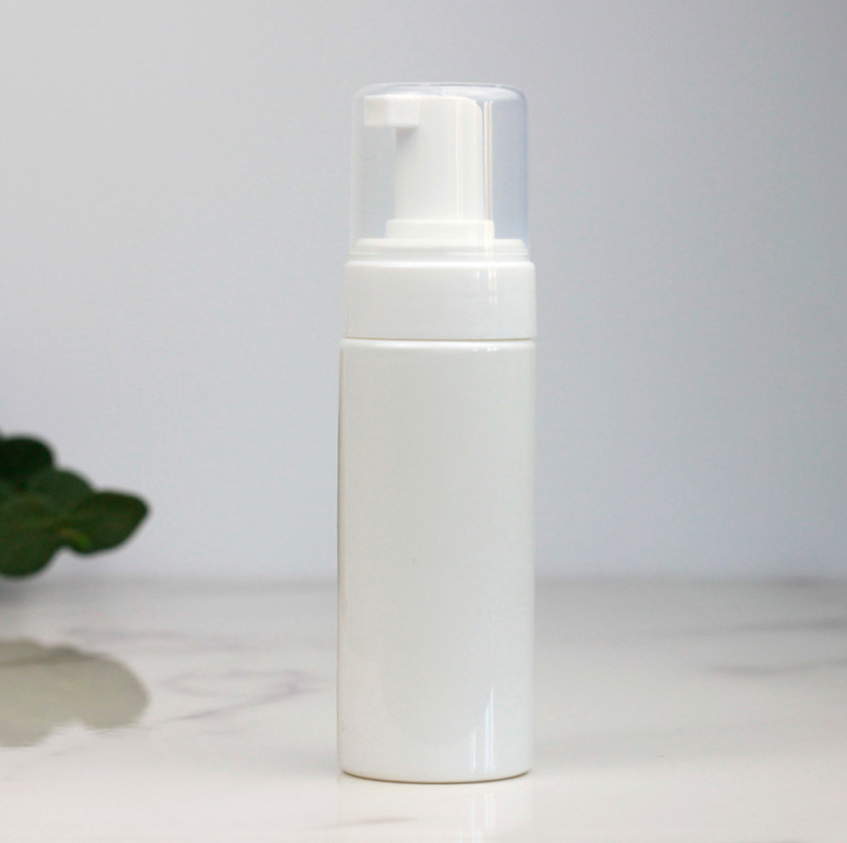

Good packaging should make using a product feel effortless. If your formulation is designed to dispense as foam, the bottle and pump need to work together to give customers a smooth, consistent experience. A suitable foamer container can make application more convenient while giving your product a neat, professional presentation.
Before choosing a design, take a closer look at what your formula needs, how customers will use it and what your business requires during production. A few practical checks can help you find packaging that looks right and performs as expected.
Understand How Foamer Bottles Work
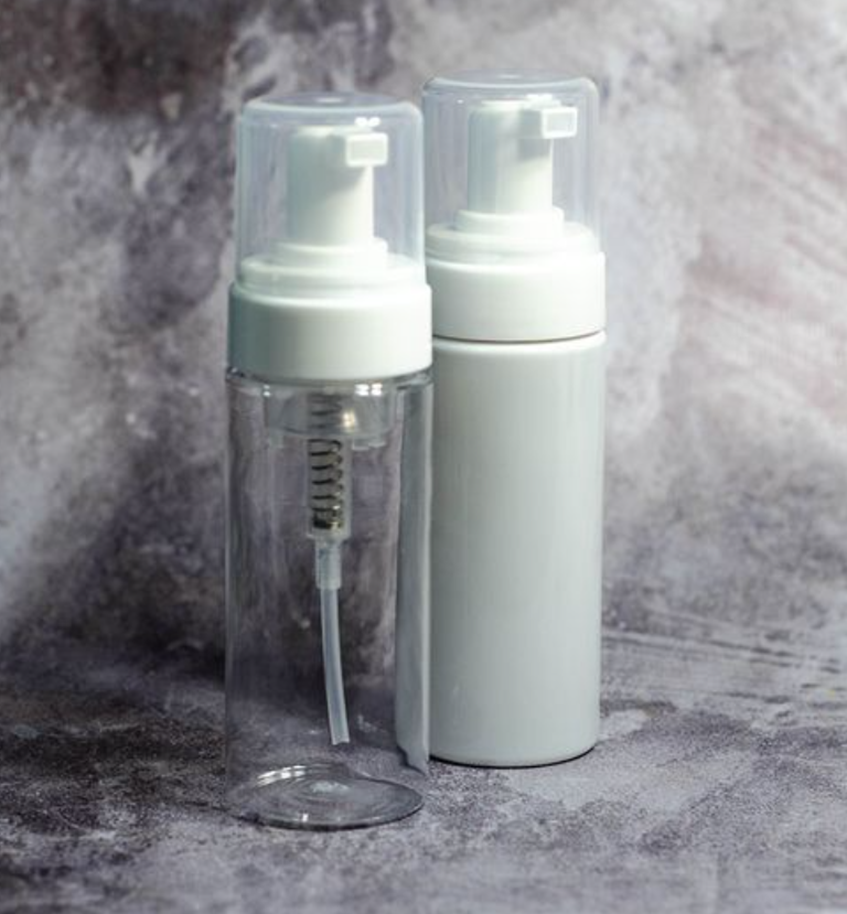
A plastic foamer bottle has a specialised pump that turns a liquid formulation into foam as the customer presses the dispenser. The mechanism draws in air and combines it with the liquid before releasing the mixture through the pump. This gives customers a ready-made lather without requiring them to work the product between their hands first.
You’ll often see this packaging used for facial cleansers, hand washes and other suitable personal care products. It can make everyday applications quicker and help customers dispense a controlled amount with each press.
Your formula needs to suit the pump, though. Foaming mechanisms generally work best with thinner liquids that can move through the dispenser without difficulty. Thick creams, heavy gels and formulas containing larger particles may cause blockages or inconsistent output.
Check your formulation’s viscosity and ingredients before selecting a container. If you’re developing a new product, test it with the intended pump before committing to your packaging order. A little testing now can save you from frustrating dispensing problems later.
Choose the Right Bottle Capacity and Shape
Think about how customers will use your product when deciding on its size. A bottle for an occasional-use facial cleanser may need a different capacity from one intended for a frequently used hand wash. The amount customers need per application and how often they’ll reach for the product should guide your decision.
When comparing plastic foamer bottle options, consider the following details:
- Capacity: Choose a volume that suits the product’s intended use and expected frequency of use.
- Dimensions: Check the bottle’s height and width against available shelf, storage and display space.
- Shape: Look for a design that feels comfortable to hold and leaves enough room for your label.
- Stability: Consider the base and overall proportions to help prevent the bottle from tipping during everyday use.
A compact container may suit travel-sized products or smaller personal care ranges, while a larger option could work better for products customers use regularly at home. You should also consider how easily someone can operate the pump with one hand.
If you sell several products within the same range, using similar bottle shapes in different capacities can create a consistent look. Just make sure each size still works for its intended purpose.
Check Pump Compatibility and Dispensing Performance
The pump deserves just as much attention as the bottle itself. It determines how easily customers can dispense your product, how much comes out with each press and how consistently the mechanism performs.
Start by checking the neck size and closure specifications. The pump must fit the bottle securely, so confirm that both components are compatible before ordering. Pay attention to the dip tube, too. It needs to reach the product effectively so customers can continue dispensing as the liquid level drops.
Next, test how the pump feels and performs. Does it press smoothly? Does it release an even amount of foam? Can customers operate it comfortably without applying excessive pressure? These small details can shape their experience with your product.
Test the pump using your actual formulation rather than assuming it will perform the same way with a different liquid. Check the foam’s consistency and watch for sputtering, blockages or changes in output. If you plan to sell the product over an extended period, assess how the mechanism performs through repeated use.
A pump that suits your formula and feels comfortable to operate can make your packaging much more practical.
Select Materials and Finishes That Suit Your Brand
The bottle material affects how your packaging looks and how well it suits the product inside. PET is one option available in packaging ranges, but you should always check the specific material and its compatibility with your formulation.
Consider the product’s ingredients, storage conditions and intended shelf life when reviewing material specifications. If you’re unsure, ask your packaging supplier for guidance and test the formulation in the selected container before moving ahead.
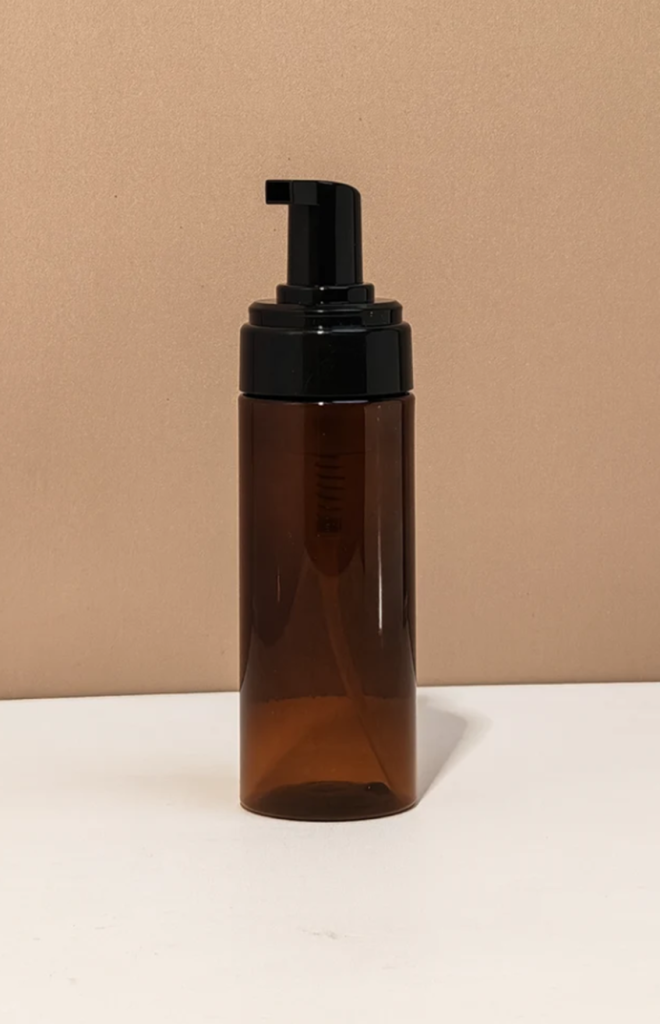
Colour and finish also influence how customers see your product. Clear containers let people view the liquid inside, while white, amber or other coloured finishes can give the packaging a different visual character. Think about the impression you want your product to create and how the bottle will sit alongside the rest of your range.
Don’t overlook the label. Check the available surface area and bottle shape before sending your artwork for printing. A design that looks great on a flat screen may need adjustments to fit a curved container neatly.
Your packaging should reflect your brand while keeping product information easy to read. A thoughtful combination of colour, shape and labelling can give your range a polished, recognisable appearance.
Plan for Filling, Storage and Bulk Ordering
Once you’ve chosen a suitable design, think about how the containers will fit into your production process. Check the bottle opening, filling requirements and pump assembly before placing a large order. Your team should be able to fill, close and prepare each container without unnecessary complications.
Storage matters, too. Consider how much space empty containers will occupy and where you’ll keep them before production. Follow the supplier’s storage recommendations, particularly regarding temperature and exposure to sunlight.
When ordering plastic foamer bottles, review the product specifications carefully. Confirm the capacity, material, colour, neck size, available closures and minimum order quantity. If you expect to reorder regularly, check stock availability and ordering arrangements so you can plan production with fewer surprises.
It’s also worth ordering samples first. Fill a sample with your actual formulation, attach the intended pump and test the finished packaging. You can assess its appearance, handling and dispensing performance before committing to a larger quantity.
Make Your Packaging Work for Your Product
Choosing foamer packaging involves more than finding a container with an appealing shape. You need a bottle that suits your formulation, a pump that dispenses consistently and a size that makes sense for your customers. Material compatibility, branding, filling requirements and storage also deserve attention.
Take time to compare specifications and test your chosen packaging before placing a larger order. With the right plastic foamer bottles, you can give your product a practical format that supports convenient use and a professional presentation.