
Everyone who has ever tried it will tell you that Japanese cuisine is one of the best in the world. That’s because it’s centred around health-conscious eating, with a strong focus on rice, vegetables, seafood, miso soup, raw fish, and lightly battered dishes. Most recipes are quick and easy to prepare without compromising on flavour or presentation. However, if you want to become truly confident, or at least competent, at cooking Japanese food, you’ll need the right Japanese cookware.
Why Buy Japanese Kitchenware?

Unlike Teflon and other non-stick coated cookware, Japanese pans and pots are mainly made from stainless steel, copper, and cast iron, some of the healthiest materials for cooking. They prioritise food safety, heat control, and functionality, which explains their long-standing popularity.
When made from these materials, the different types of Japanese kitchenware can enhance flavours while also improving your cooking techniques. Cooking with these pans and pots can genuinely simplify food preparation, and the more you use them, the better you’ll get. Maybe it’s just psychological, or maybe it’s my family being generous with compliments, but I honestly feel like a real chef when I cook with them.
A List of the Most Useful Kitchenware
Ceramic Grater
Unlike traditional metal graters, which are designed to produce coarser shreds, ceramic graters create much finer, paste-like textures that maximise natural juices and flavour. The one I own can even separate pulp from juice, making it far more practical and efficient, and I believe most ceramic graters work similarly.
Depending on what you’re grating, the result can be used in soups, sauces, dips, and dressings. While these graters are mainly used for ginger, they’re also great for garlic, citrus zest, apples, pears, and more. Personally, I use mine most often for garlic in soups, stews, and meat dishes, as well as for ginger, which I love adding to tea or mixing into a jar of honey. This ginger and honey combination is excellent for boosting the immune system.
Stainless Steel Kettle
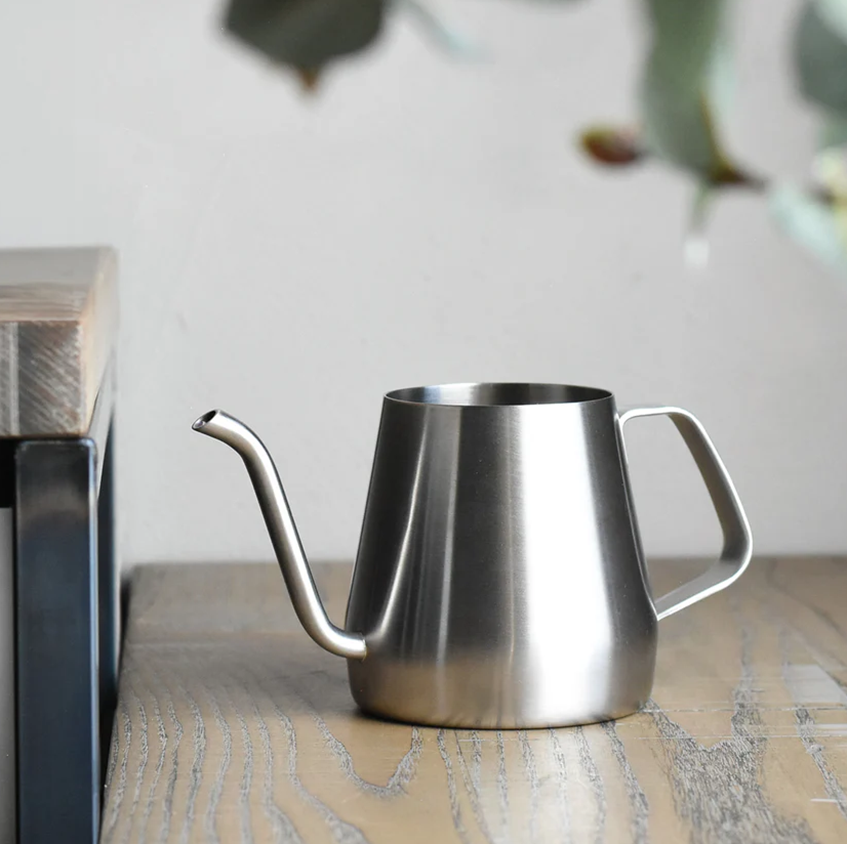
Unlike many in the Western world, Japanese households tend to favour stainless steel kettles over modern electric ones. These traditional kettles are known for their exceptional durability, safety, quality, and corrosion resistance. Built to last, they’re often considered the first and only choice for many Japanese kitchens.
They also feature a unique and ergonomic design, allowing for precise, controlled pouring, which makes them ideal for brewing tea. While I don’t own one yet, it’s high on my wish list. I’m more than ready to replace my fancy electric kettle, which still smells faintly of plastic even after a year of use.
Ceramic Pot with Lid
Also known as a donabe, ceramic pots with lids are a staple in Japanese cuisine, and I swear by them. Cooking with mine has transformed my experience in the kitchen and noticeably improved the flavour of my food. The heavy lid traps heat and steam, which is essential for hot dishes and helps ingredients absorb and blend their flavours and aromas.
Traditionally, these pots are made from porous clay, but modern versions are often crafted from heat-resistant, non-porous ceramic. Many of today’s donabe pots are microwave-, oven-, and dishwasher-safe, making them incredibly convenient and easy to maintain.
Rice Washing Bowl
One thing I didn’t realise for a long time is that rice should be washed before cooking. While this practice varies between cultures, I personally choose to wash rice, especially after learning that it can contain arsenic and microplastics that can be reduced through soaking and rinsing. Japanese cooking also emphasises washing rice, which makes a dedicated washing bowl especially useful.
Instead of rinsing rice in a standard bowl or pot and struggling to drain the water, a rice washing bowl features small holes that allow the cloudy water to drain quickly and easily.
Rolling Mat
If sushi is something you enjoy (personally, it’s not my favourite), a bamboo rolling mat makes the process quicker and more efficient. These mats help roll sushi sheets tightly and evenly, which can be tricky without one.
They’re affordable, easy to clean, and don’t take up much storage space, all good reasons to keep one in your kitchen if you ever plan on making sushi at home.

Japanese Steel Wok
Japanese steel woks are typically made from carbon steel and are a must-have for preparing many Japanese dishes. They make it easier to achieve stir-fries that rival restaurant quality, and the one I use has genuinely helped me become a better cook.
The material and shape allow for rapid and even heat distribution, and best of all, food doesn’t stick. Over time, carbon steel develops a natural non-stick patina, making cooking smoother and more enjoyable with every use.