
The Small Soldier of Your Home
Windows are more than just openings for light and air; they’re part of the barrier that keeps your home comfortable. Yet without proper sealing, they can quickly become weak points. Gaps around frames let in draughts, moisture, and noise, undermining both comfort and efficiency. That’s where seals step in; they’re small components that deliver big results.
What Exactly Is a Window Seal?
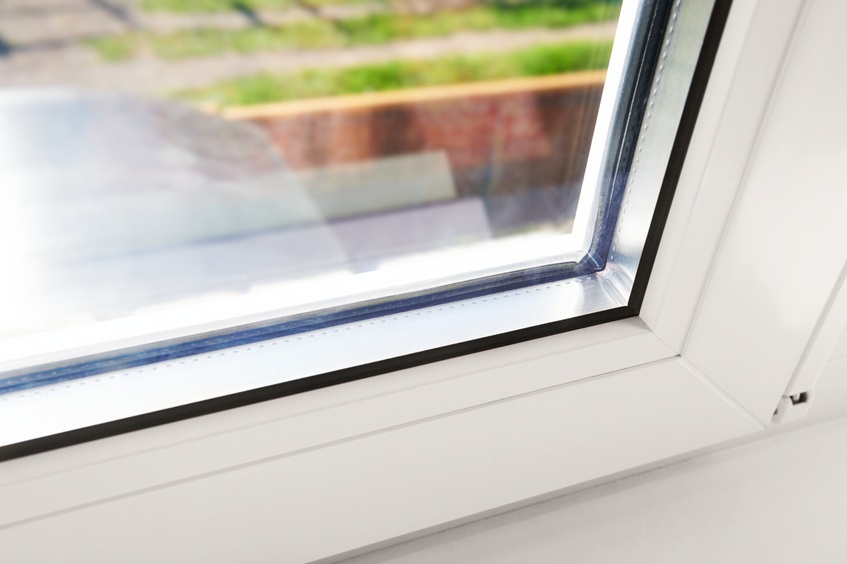
A window seal is a strip of material fitted between the window frame and glass or sash. Its job is simple but vital: stop air, water, and sound from sneaking through. Seals are usually made from rubber, vinyl, foam, or thermoplastic elastomers, each chosen for flexibility and durability. By closing off those tiny gaps, they stabilise indoor temperatures, reduce energy loss, and protect against mould caused by moisture infiltration. Investing in a properly fitted window seal can transform the way your windows perform, locking in energy savings, blocking moisture, and extending the lifespan of the frame itself.
Finding the Perfect Match for Your Windows
Not all seals are created equal. Sliding windows often need track covers, while awning or bifold styles benefit from bulb seals that compress when closed. Glazing wedges are common for aluminium frames, ensuring tight contact between glass and frame. Choosing the right fit involves measuring carefully and matching the seal profile to the window type. Skip this step, and you risk poor insulation or premature wear.
Materials That Matter
Different materials bring different strengths, including:
- Vinyl: Affordable, flexible, and resistant to moisture.
- Foam: Excellent for filling irregular gaps, though less durable.
- Rubber (EPDM, Santoprene, silicone): Highly resilient, weather-resistant, and long-lasting.
- Polyurethane: Offers exceptional adhesion, bonding strongly to a wide range of surfaces, including timber, aluminium, and concrete. It’s highly durable and paintable, making it ideal for exterior frames exposed to heavy weather. The main drawback is UV sensitivity, so modified versions or protective coatings are often recommended for long-term outdoor use.
- Acrylic: Easy to apply and paint over, which makes them popular for interior finishing. They’re cost-effective and suitable for joints with minimal movement, such as indoor window frames. However, they lack flexibility and weather resistance, so they’re not the best choice for high-stress or outdoor applications.
- Hybrid: Combine the flexibility of silicone with the strength of polyurethane, offering a versatile solution. They resist mould, UV radiation, and extreme temperatures, making them reliable in varied climates. Though more expensive, their durability and multi-surface compatibility often justify the investment for long-term performance.
The choice of material actually directly affects performance. Rubber seals, for example, withstand UV exposure and temperature extremes better than foam, making them ideal for Australia’s varied climate. Vinyl remains popular for everyday use, though, balancing cost and effectiveness.
Everyday Perks You’ll Notice
Beyond insulation, seals deliver everyday benefits that homeowners often overlook. They cut down on outside noise, making living spaces calmer. They block pests from squeezing through gaps. They even help windows open and close more smoothly, reducing wear on hinges and tracks. Over time, these small advantages add up to lower maintenance costs and a more pleasant home environment.
Smart Add-Ons for Extra Protection
Seals rarely work alone. Complementary products like gaskets, splines, and track covers enhance performance. For example, a spline secures flyscreen mesh, while a gasket reinforces the seal between glass and frame. Together, these components create a layered defence against weather and wear. Choosing the right combination ensures your windows stay efficient and resilient for years.
Tips Before You Commit
Before replacing or upgrading seals, keep these points in mind:
- Measure twice: Accuracy ensures a snug fit.
- Consider climate: Hot, humid, or coastal areas demand tougher materials like EPDM rubber.
- Ease of installation: Some seals slide into tracks, while others require adhesive or compression fitting.
- Inspect regularly: Replace seals with cracks, flattening, or gaps.
A well-chosen seal not only improves comfort but also prevents costly damage from moisture or pests.
Installation and Long-Term Savings
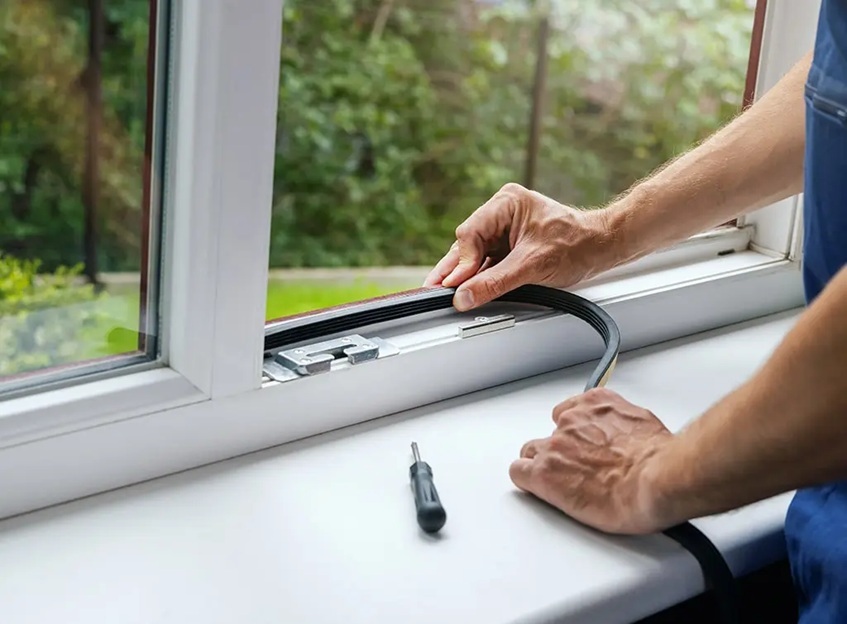
Replacing seals is often a straightforward DIY task. Many designs simply press into grooves or tracks, while adhesive-backed options stick directly to frames. For larger projects, professional installation ensures precision and longevity.
The upfront cost is modest compared to the long-term benefits, such as lower energy bills, fewer repairs, and improved property value. In fact, well-maintained seals can pay for themselves within a few seasons of reduced heating and cooling expenses.
Maintenance Made Simple
Seals don’t last forever. Exposure to sunlight, temperature swings, and everyday use gradually wears them down.
- Check seals annually for cracks, flattening, or peeling edges.
- Clean them with mild soap and water to prevent dirt build-up that can compromise flexibility.
- Replace worn seals promptly to avoid bigger problems like water damage or mould growth.
With proper care, quality seals can last several years before needing replacement.
Final Thoughts
Window seals may be small, but their impact is undeniable. They guard against draughts, moisture, and noise, while boosting energy efficiency and everyday comfort. Choosing the right type and material and pairing them with complementary components ensures your home stays protected and pleasant. Investing in quality sealing is a simple step that pays off in lower bills, fewer repairs, and a healthier living space.