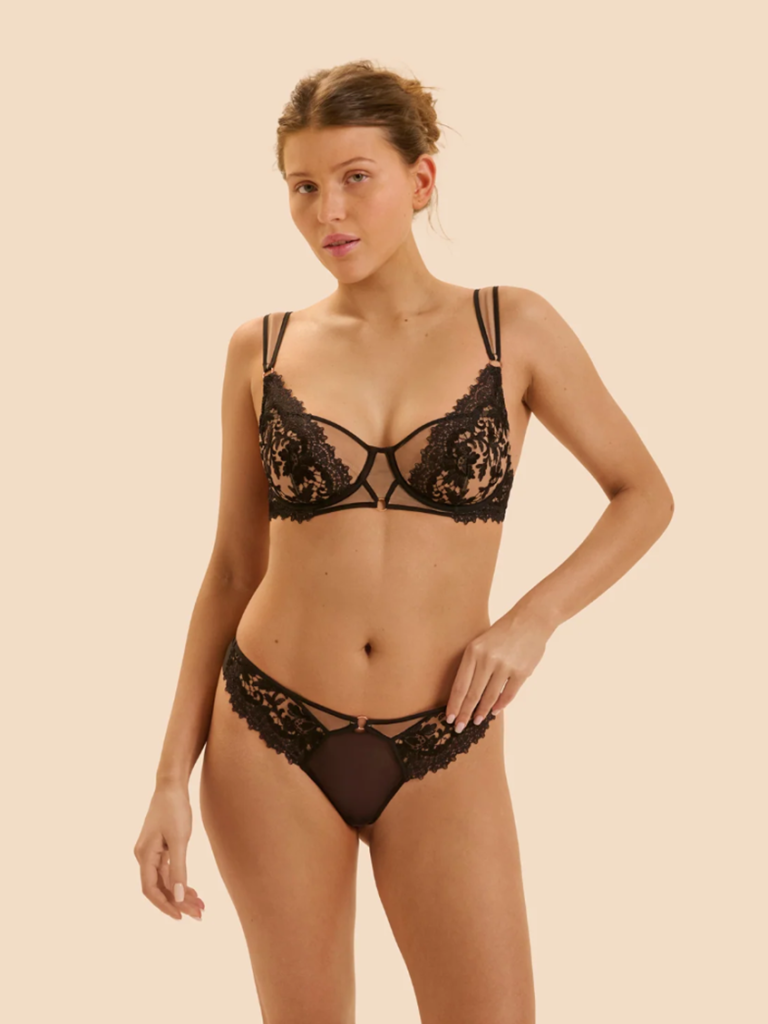

Getting dressed in the morning usually starts with picking an outfit, while underwear is more often than not an afterthought. Since it stays hidden under your clothes for most of the day, it’s easy to grab something that looks pretty and hope it feels just as good once you put it on. A strap that keeps slipping or a band digging into your skin by lunchtime can quickly change your mind, though.
Most women actually wear the wrong bra size without realising it, which is a shame considering how much a good fit affects your posture, comfort, and confidence throughout the day. Since it stays close to your skin for hours, its support, fabric, and cut all shape how you feel and how smoothly your clothes sit. So, before you buy a new lingerie bra, it’s worth paying attention to a few key details.
Start With the Right Fit and Support
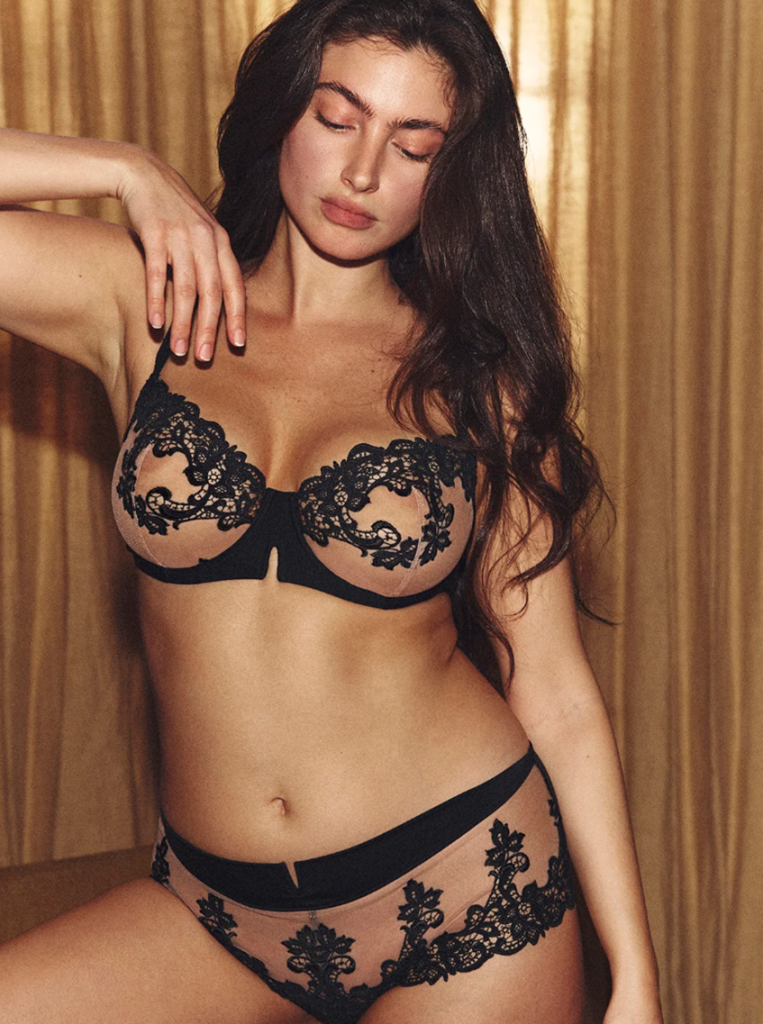
A pretty bra might catch your eye, but fit should always come first. Even the nicest design won’t be much use if the band digs into your ribs or the cups leave gaps around your bust.
Start by checking that the band sits straight across your back, rather than riding up towards your shoulder blades. What is the 2 finger rule for bra fit? It’s a simple way to check whether your band is too tight or too loose. You should be able to slip two fingers comfortably underneath the band at the back. If you have to force them in, the band is too tight; if there’s plenty of extra room to pull it away from your skin, it’s too loose.
Cup size matters just as much. Your breasts should sit comfortably inside the cups, without spilling over the top or sides. If you notice wrinkles or empty spaces in the fabric, the cups might be too big. Keep in mind that your bra size isn’t always the same across brands, so don’t automatically reach for the size you’ve worn for years.
Next, pay attention to the straps. They should sit comfortably on your shoulders without slipping down or leaving deep red marks. Tightening them as much as possible won’t give you better support. Most of the support should come from the band, while the straps help keep the cups in place.
A good fit should feel comfortable when you’re sitting, walking, reaching for something or going about your usual routine. You shouldn’t have to keep adjusting the band or pulling the straps back into place throughout the day.
If you’re unsure about your size or notice that your lingerie bras never seem to fit quite right, consider getting professionally fitted. It’s particularly helpful if your weight has changed, you’ve gone through pregnancy, or your usual size no longer feels comfortable. A fitting can give you a better starting point when shopping for your next bra.
Pay Attention to Fabrics and Materials
Once you’ve nailed down your fit, take a closer look at what the bra is actually made of. The fabric affects how a piece feels against your skin, how much it moves with you, and whether you’ll stay comfortable after wearing it all day. Lace, for example, adds a delicate detail that many women love, though not all lace feels the same. Softer, finer lace sits gently against the skin, while stiffer designs can rub or feel scratchy after a few hours.
Cotton and modal blends are great choices if you prefer soft, breathable fibres that handle warmth well. Microfibre, on the other hand, is smooth, lightweight, and stretchy, making it a go-to option for everyday bras that sit invisibly under fitted tops. You’ll also come across tulle mesh, which is often used for sheer panels and decorative details. It gives lingerie a lighter look without adding much bulk.
If you enjoy delicate designs, brands like Simone Pérèle offer lovely examples of how different materials can work together. Its collections often combine fine European lace, embroidery, and tulle with smoother fabrics for a balance of detail and comfort. Many styles also feature 3D spacer fabric, a lightweight knitted material with a breathable structure that allows airflow while creating a smooth, rounded shape.
Overall construction is worth checking too, especially for a bra you plan to wear regularly. Look closely at the stitching, seams, fastenings, and supportive stretch mesh along the back band. These small details can tell you a lot about how well a bra is made and how long it will hold its shape.
Understand the Different Lingerie Bra Styles
Bra shopping gets a little easier when you know what the different styles are meant to do. Some offer more coverage and support, while others work better with low necklines, fitted tops or outfits that leave your shoulders bare. Here are some of the most common styles and what to expect from each:
- Full-cup: These offer more coverage, with cups that enclose most of the bust. They’re a good choice if you prefer extra support and a secure fit, particularly if you have a fuller bust.
- Half-cup: With cups that cover around half to three-quarters of the bust, these leave more of the upper area exposed. They’re a lovely option for lower necklines and outfits where you want a little more definition.
- Plunge: Recognisable by their deep V-shaped centre, plunge bras work well with tops and dresses that have a lower neckline. The cups bring the breasts closer together, creating a more defined cleavage.
- Push-up: These usually have padded cups or extra cushioning at the bottom to lift the bust and create more volume. They’re worth considering if you like a fuller-looking shape under your clothes.
- Strapless: Just as the name suggests, these have no shoulder straps and are made to stay in place on their own. Look for a secure band and good cup support, especially if you plan to wear one for several hours.
- Balconette: These have wider-set straps and relatively horizontal cup edges that create a lifted, rounded shape. They’re a nice match for square or wide necklines.
- Plus-size: These are made with fuller busts and different support needs in mind. Wider straps, reinforced bands and supportive cups can make them more comfortable for everyday wear.
- Triangle: With their simple triangular cups, these often have a lighter, less structured feel. They’re popular in softer lingerie styles and work well if you prefer a more natural shape.
- V-neck: These have a V-shaped neckline that makes them easier to wear under low-cut tops. Depending on the design, they can offer anything from light coverage to more structured support.
- T-shirt: Usually smooth and lightly moulded, these are designed to sit discreetly under fitted tops and thin fabrics. They’re a practical everyday option when you don’t want lace or seams showing through.
- Wireless or soft-cup: Without underwires, these rely on their fabric, band and construction for support. They’re a good alternative if you find traditional underwired bras uncomfortable.
- Bralettes: These are generally lighter, softer and less structured than traditional bras. Many feature lace, stretch fabrics or simple pull-on designs, making them a comfortable choice for relaxed days or when you don’t need much support.
Remember that these styles aren’t necessarily one-size-fits-all. A plunge bra, for example, can be supportive, while a full-cup design might not suit every breast shape. Think about the coverage you prefer, the outfits you wear most often and how much support you need when choosing between them.
Choose Colours That Work With Your Wardrobe
Colour might seem like purely a style preference, but it plays a practical role in how well a bra works under different clothes. A common mistake is reaching for a white bra under a white shirt, which often creates a stark contrast and shows right through thin fabric. For seamless coverage under light or sheer tops, choose a shade that closely matches your own skin tone instead.
Building a versatile lingerie drawer comes down to having a few reliable staples in addition to the colours you simply enjoy wearing. Skin-tone neutrals work well with light fabrics, while black, navy, or deep burgundy sit smoothly under darker outfits without looking dull over time.
Soft pastels, prints, and brighter tones still have their place, especially under heavier knits, opaque tops, or layered outfits where show-through isn’t a concern. Thinking about the colours you wear most often makes it much easier to pick pieces that get regular wear.
How to Care for Your Lingerie Bra So It Lasts
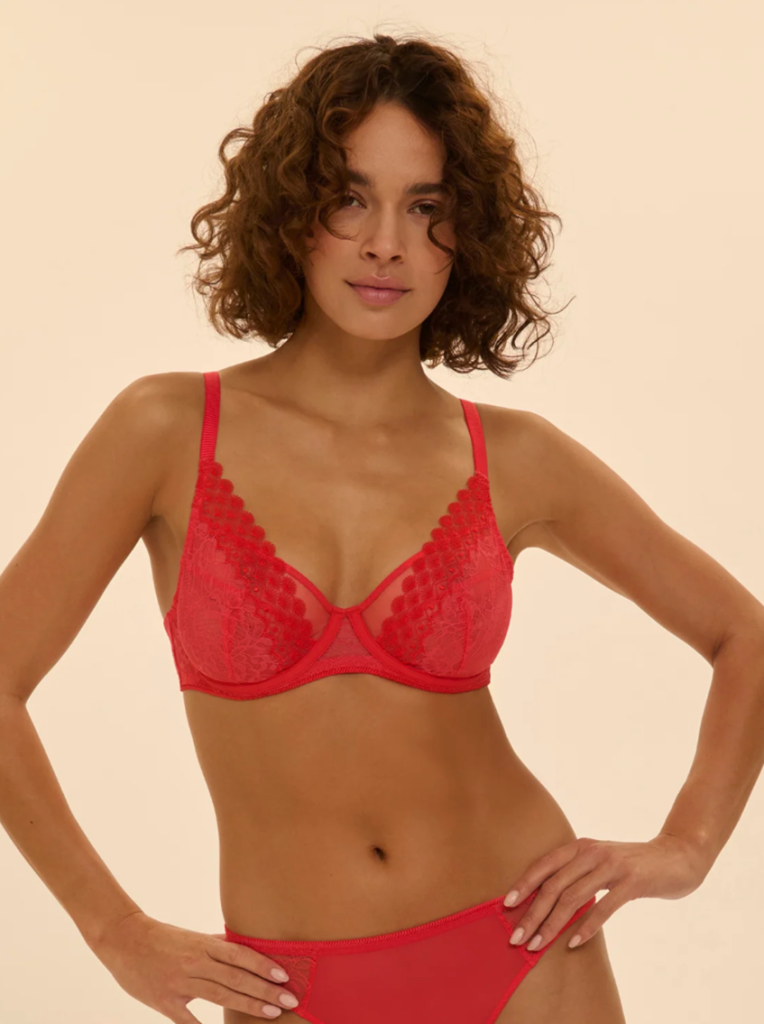
Even the best-fitting bra will lose its shape and support quickly if it isn’t looked after properly. A few simple care habits can help protect delicate fabrics, preserve elasticity, and keep your everyday bras comfortable for longer.
- Gentle washing: Hand wash with mild detergent in cool or lukewarm water whenever possible to protect delicate lace, trims, and elastic. If you use a washing machine, pick a gentle cycle, fasten the hooks, and place the bra inside a mesh laundry bag.
- Proper drying: Lay bras flat or hang them from the bridge between the cups to dry, and avoid direct heat from radiators, sunlight, or a tumble dryer. High heat breaks down elastic fibres quickly and can warp moulded cups.
- Rotation rules: Avoid wearing the exact same bra two days in a row so the elastic and fabric have time to recover their shape. Having a small rotation of everyday styles spreads out wear and helps each piece last longer.
- Re-measuring regularly: Check your fit and measurements every six to twelve months, or sooner after weight changes or pregnancy. A bra that fits properly distributes tension evenly instead of straining one section.
- When to replace: Look for signs of wear like a band that stretches out on the tightest hook, frayed elastic, poking underwires, or cups that no longer hold their shape. Even with steady care, everyday bras have a limited lifespan once support starts to drop off.
Final Thoughts: Choosing a Bra That Works for You
You know you’ve found a great bra when you get home at the end of the day, realise you barely noticed wearing it, and don’t feel that immediate urge to take it off the second you walk through the door. Choosing the right piece comes down to paying attention to how a style feels when you move, what fabrics suit your skin, and what works with your wardrobe. Take your time trying different options until you find the ones that genuinely work for you.